SDGs 17: Partnerships for the Goals

sustainable development goal 17

Strengthen the means of implementation and revitalize the Global Partnership for Sustainable Development

____________________________________

17.2.1 Relationships with regional NGOs and government for SDG policy

17.2.1 Relationships with regional NGOs and government for SDG policy

UGM works with the government and NGOs to shape SDG policy. Nationally, it renewed its partnership with the Ministry of National Development Planning, advised on transmigration reform and co-developed Indonesia’s National Action Plan for Smoking Cessation 2025–2029. With NGOs such as WWF Indonesia, YKAN and the Borneo Nature Foundation, UGM builds biodiversity, seagrass and peatland evidence for policy.
17.2.2 Cross sectoral dialogue about SDGs

17.2.2 Cross sectoral dialogue about SDGs

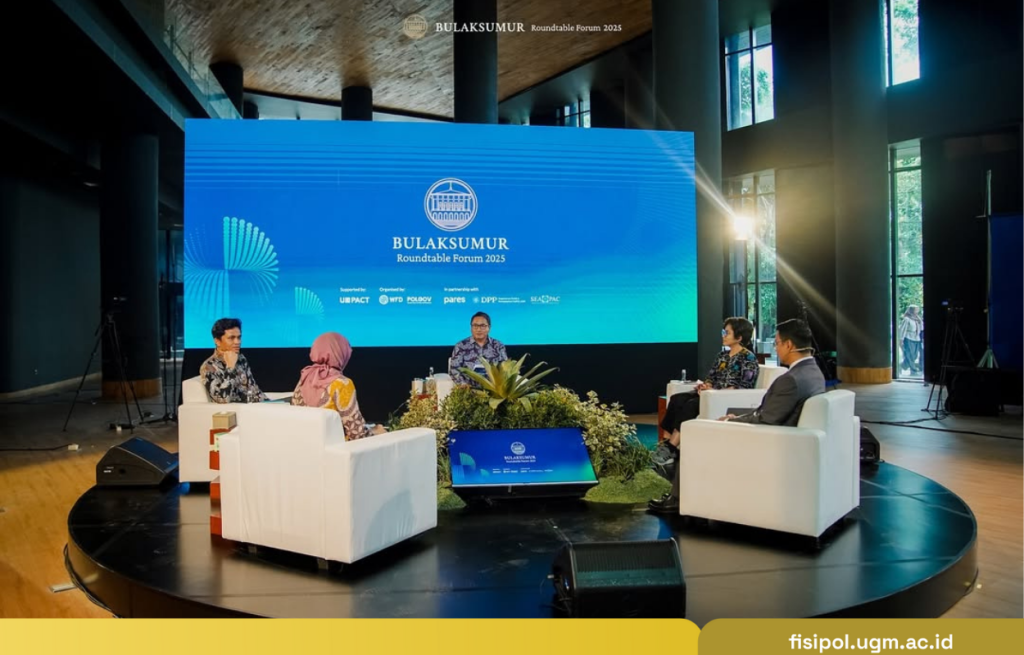
UGM brings government, NGOs and communities together to discuss sustainable development. On campus, it runs the monthly SDGs Seminar Series, the Bulaksumur Roundtable Forum and policy workshops on bamboo, land and natural resources. As a neutral host, it helps forest farmers raise their concerns directly with policymakers. UGM experts also join national dialogues on green economy planning, clean irrigation and food security.

17.2.3 International collaboration data gathering for SDG

17.2.3 International collaboration data gathering for SDG

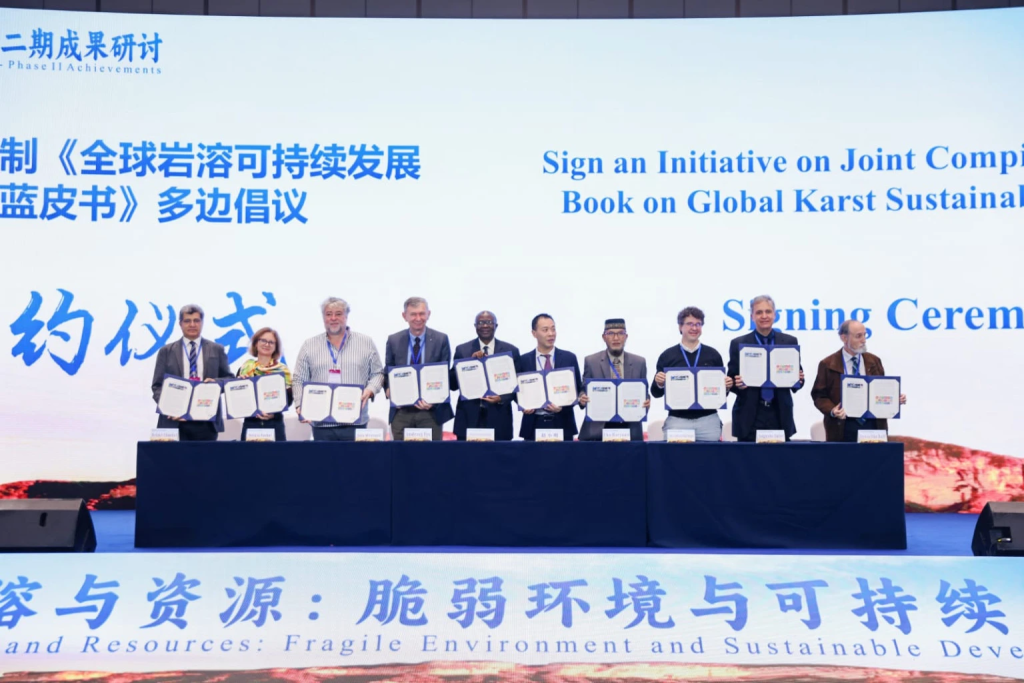
UGM actively participates in international collaborations to collect and measure data for the SDGs, by joining UNESCO’s global karst monitoring network, conducting a peatland field study with researchers from five countries, and partnering with German researchers to identify new freshwater species that strengthen Indonesia’s national biodiversity database.

17.2.4 Collaboration for SDG best practice

UGM works with partners across Asia and Europe to compare approaches and share best practice on the SDGs. With BOKU University in Austria, it tests nature-based restoration of post-mining land in Indonesia, Thailand and Vietnam. Through PolyUrbanWaters, it brings German and Southeast Asian experience to local water management in Sleman. UGM also draws lessons from Japan on volcano risk, from Europe on digital governance for the blue economy, and from Malaysia on tropical forest management.

17.2.5 Collaboration with NGOs for SDGs

UGM works with NGOs on the SDGs. Students volunteer with South Korea’s Jeonju Volunteer Center and find placements at more than 20 Yogyakarta NGOs through the NGO Fair. UGM faculties also run joint research and develop courses and teaching modules with Globethics and the Maharishi Global Raam Raj Foundation.

17.3.1. Publication of SDG reports – SDG 1

17.3.2. Publication of SDG reports – SDG 2

17.3.3. Publication of SDG reports – SDG 3

17.3.4. Publication of SDG reports – SDG 4

17.3.5. Publication of SDG reports – SDG 5

17.3.6. Publication of SDG reports – SDG 6

17.3.7. Publication of SDG reports – SDG 7

17.3.8. Publication of SDG reports – SDG 8

17.3.9. Publication of SDG reports – SDG 9

17.3.10. Publication of SDG reports – SDG 10

17.3.11. Publication of SDG reports – SDG 11

17.3.12. Publication of SDG reports – SDG 12

17.3.13. Publication of SDG reports – SDG 13

17.3.14. Publication of SDG reports – SDG 14

17.3.15. Publication of SDG reports – SDG 15

17.3.16. Publication of SDG reports – SDG 16

17.3.17. Publication of SDG reports – SDG 17

17.4.1 Education for SDGs: commitment to meaningful education

17.4.2 Education for SDGs: specific courses on sustainability

17.4.3 Education for SDGs in the wider community

UGM takes SDG education beyond campus. Students in mandatory community service and faculty experts teach villages across Indonesia about recycling, coastal planning, watershed care and legal awareness, and RCE Yogyakarta won a UNU award. After the 2025 Sumatra floods, UGM trained volunteers and sent students to keep schools running. Alumni keep learning through KAGAMA conservation webinars, training and tree planting.

17.4.4 Sustainable Literacy