
As part of its commitment to long-term sustainability, UGM has established a sustainable investment policy that prioritizes financial independence, environmental responsibility, and efficient resource management. This policy ensures that university investments and business developments support sustainability goals while maintaining economic resilience.
Arsip 2026:
April
UGM’s sustainable procurement policy ensures that all goods and services acquired by the university support environmental, social, and economic sustainability. The university system involves selecting products that are energy-efficient, eco-friendly, ethically produced, and sourced from responsible suppliers. This policy is essential to reduce environmental impact, promote ethical labor practices, and align university operations with sustainability goals.
To ensure that students and staff not only understand but also apply sustainability principles, UGM has assessment tools for measuring sustainability literacy and knowledge. Such tools help evaluate awareness, track progress, and guide continuous improvement, empowering academic communities to become active contributors to sustainable development.
UGM’s current emission calculations account for Scope 1 and Scope 2 emissions. Specifically, Scope 1 includes emissions from university-owned vehicles and employee mobility and travel. Meanwhile, Scope 2 covers emissions from electricity consumption, including both coal-based and renewable energy sources. The university has incorporated a strategy for reaching zero-emissions in Rector's Decree Number 911 Year 2018 through the transportation master plan guidelines. This integrated approach allows UGM to transparently measure and manage its environmental impact in alignment with recognized global standards.
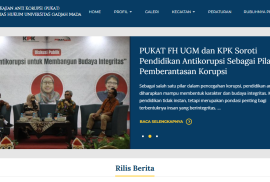
The University has made several efforts as a form of commitment that seeks to reduce organised crime. This has been regulated in the Rector's Regulation Number 21 Year 2021 (Article 10). One of the ways to regulate bribery and corruption is for academic staff to refuse gifts in any form related to work beyond what has been determined based on applicable regulations and/or contracts that have been agreed upon in advance.

The UGM Board of Trustees (Majelis Wali Amanat or MWA) is the highest governing body in the university.
As regulated in the Board of Trustees Regulation Number 4 Year 2014 Article 41, the members of MWA consist of the Minister, the Sultan of Yogyakarta, the Rector, representatives of the general public, and members of the university, including students, faculty, and staff.

The university’s annual Dies Natalis brings together all students, staff, and faculty each year and invites the university’s partners. UGM’s Rector holds a speech to report the university’s achievements and share the minutes to the annual general meeting. The Open Senate Meeting commemorating UGM's 76th Anniversary held at Grha Sabha Pramana, themed "Healthy Campus, Pillar of Independence and National Resilience." This annual event served as a moment to reflect on UGM's journey in affirming the role of science that supports humanitarian values and sustainability. The presence of academics, alumni, and partners reflected UGM's strong bond as a shared space for service through knowledge.
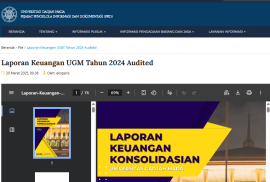
To ensure transparency, accountability, and responsible resource management, UGM publishes an annual audited financial report on the university’s website that is accessible to the public. This report demonstrates how the university’s funds are allocated and utilized each year to support all activities of education, research, and community service. It is the university’s hope that making these reports open to the public fosters trust, allowing UGM’s many stakeholders — including students, parents, government, and partners — to assess the institution’s financial health and integrity.

To best integrate and monitor the implementation of the SDGs, the university established the UGM SDGs Center: Inaugurated on August 28, 2019, by the Ministry of National Development Planning, the UGM SDGs Center aims to synergize the university's activities in education, teaching, and community service to contribute effectively to sustainable development.