• UGM
  • IT Center
  • UGM
  • IT Center

SDGS CENTER
UNIVERSITAS GADJAH MADA

  • Home
  • Research
    • Agriculture
    • Energy
    • Healthcare System
    • Democracy & Good Governance
    • National Sovereignty
    • Demography, Gender, & Culture
    • Infrastructure & Transportation
    • Environment & Disaster Mitigation
    • Nanotechnology & Biological Interface
    • Maritime, Aerospace, & Intelligent System
    • UGM’s Interdisciplinary Science Research
  • Education
    • Seminars
    • Workshops
    • Courses
  • Community Service
    • Student Community Service
    • Training and Projects
  • Publication
  • Network
  • Reputation
    • THE Impact Ranking
    • QS Sustainability WUR
  • Home
  • Research
    • Agriculture
    • Energy
    • Healthcare System
    • Democracy & Good Governance
    • National Sovereignty
    • Demography, Gender, & Culture
    • Infrastructure & Transportation
    • Environment & Disaster Mitigation
    • Nanotechnology & Biological Interface
    • Maritime, Aerospace, & Intelligent System
    • UGM’s Interdisciplinary Science Research
  • Education
    • Seminars
    • Workshops
    • Courses
  • Community Service
    • Student Community Service
    • Training and Projects
  • Publication
  • Network
  • Reputation
    • THE Impact Ranking
    • QS Sustainability WUR
  • Home
  • 2025
  • January
  • 04
Arsip 2025:

4 January

12.2.1. Ethical sourcing policy

THE Impact Ranking - Responsible Consumption and Production Saturday, 4 January 2025

UGM implements ethical sourcing policies that mandate purchasing seasonal local produce, MSME-made products, and environmentally friendly goods, supported by university regulations and circular letters promoting sustainable and responsible procurement practices.

12.2.3. Policy waste disposal – hazardous materials

THE Impact Ranking - Responsible Consumption and Production Saturday, 4 January 2025

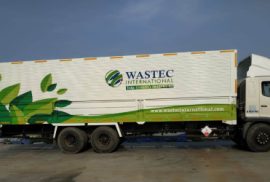
UGM enforces comprehensive policies and SOPs for hazardous waste disposal, ensuring safe handling, storage, and treatment through dedicated facilities and licensed external partners who manage toxic waste collection and final processing.

12.2.4. Policy waste disposal – landfill policy

THE Impact Ranking - Responsible Consumption and Production Saturday, 4 January 2025

UGM implements a landfill-reduction policy that tracks waste through segregation points, daily waste-truck monitoring, and PIAT processing data, enabling comprehensive measurement of landfill-bound and recycled waste.

12.2.5. Policy for minimisation of plastic use

THE Impact Ranking - Responsible Consumption and Production Saturday, 4 January 2025

UGM enforces university-wide policies to minimise plastic use by banning single-use plastics, requiring reusable or biodegradable materials, and supporting plastic-free initiatives through faculty programs and eco-friendly vendor partnerships.

12.2.6. Policy for minimisation of disposable items

THE Impact Ranking - Responsible Consumption and Production Saturday, 4 January 2025

UGM minimises disposable items through university-wide policies requiring reusable or biodegradable materials, reinforced by faculty-led zero waste events, plastic-free meetings, reusable catering systems, and mandatory tumbler use, all supported by large-scale socialisation reaching more than 40,000 students.

12.2.7. Disposable policy: extensions to services

THE Impact Ranking - Responsible Consumption and Production Saturday, 4 January 2025

UGM extends its disposable-reduction policies to outsourced services and supply chains by requiring external vendors to follow zero-waste principles, avoid single-use materials, manage their own waste, and comply with regulations in Circular Letters 9034/2024 and 6627/2024.

12.2.8. Minimisation policies extended to suppliers

THE Impact Ranking - Responsible Consumption and Production Saturday, 4 January 2025

UGM extends sustainability and minimisation policies to all outsourced suppliers by requiring domestic, MSME, and environmentally friendly products, enforcing zero-waste packaging standards, and strengthening supplier capacity through training and socialisation programs.

12.3.1. Waste tracking

THE Impact Ranking - Responsible Consumption and Production Saturday, 4 January 2025

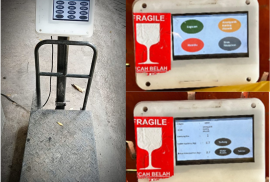
UGM measures all waste generated and recycled through an ICT-based tracking system managed by PIAT, which monitors waste volumes and processes inorganic, organic, and hazardous waste through dedicated recycling and treatment facilities.

12.4.1. Publication of a sustainability report

THE Impact Ranking - Responsible Consumption and Production Saturday, 4 January 2025

UGM publishes an annual Sustainability Report that documents its SDG-related achievements, initiatives, and progress and is made publicly accessible through the university’s sustainability website.

Search

Recent Posts

  • Nurturing a Holistic Ethical Organizational Culture
  • UGM Committee on Diversity, Equity, Inclusion, and Human Rights
  • Research Centers on Environmental Sustainability
  • Courses on Environmental Sustainability
  • Dedicated Training on Environment Aspects of Sustainability

Tim Reputasi Universitas
Satuan Penjaminan Mutu dan Reputasi Universitas

Gedung Pusat UGM, Lantai 2, Sayap Selatan Bulaksumur, DI Yogyakarta, 55281 Indonesia.

Email : wcu@ugm.ac.id

Phone 1 : ‪+62 811-2951-715
Phone 2 : +62 811-2951-714‬

Quick Link
  • Partnerships for Sustainability
  • Project Highlights
  • About UGM SDGs Center
  • Staff Directory
  • UGM Website

SDGs Center Universitas Gadjah Mada

Copyright © 2022 All Rights Reserved.