
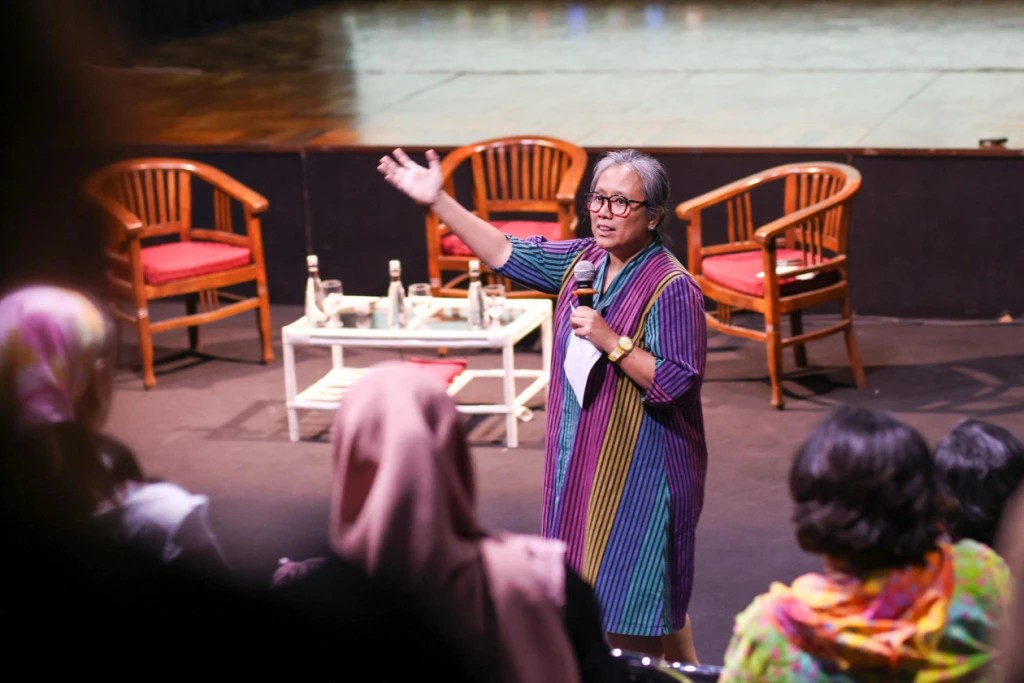
UGM’s Center for Women’s Studies stands at the forefront of the university’s mission to expand women’s access and leadership in education, research, and community development. The Center develops gender-responsive curricula, trains students and professionals in gender mainstreaming and gender-sensitive research, and fosters innovative learning models that integrate gender perspectives across disciplines. It also supports women’s economic empowerment through practical programs such as tourism management and entrepreneurship training.
On the research and public engagement side, the Center leads gender-focused studies in collaboration with industry, government, and international partners—ranging from gender roles in tourism to broader issues of human rights and social welfare. Its work is shared through seminars, workshops, and publication initiatives, while community programs offer consultation services, empowerment activities, and support for marginalized groups.
Mentoring
UGM hosts mentoring for women year round, such as the Global Innovation & Future Technology Summit (GIFTS) 2024. This two-day international forum was full of seminars, workshops, and hands-on training for women and was hosted by GIK UGM in collaboration with the National University of Singapore and Tsinghua University. The summit brought together leading academics, industry innovators, and policymakers to spotlight the critical role of women in Science, Technology, Engineering, Arts, and Management—fields where female participation remains at just 28%.
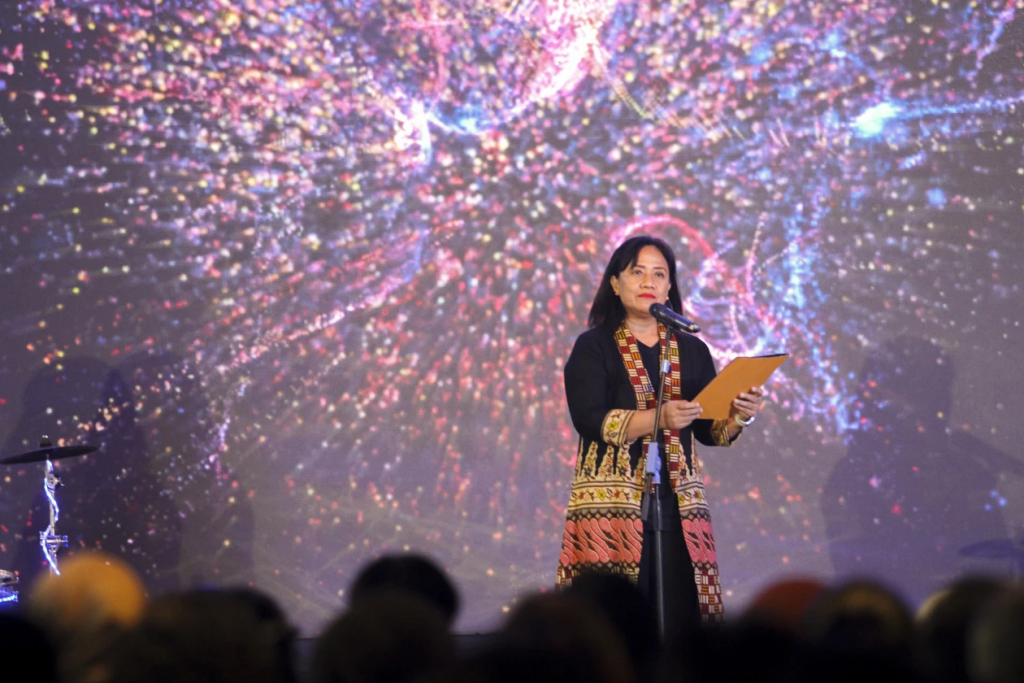
Source: Global Innovation & Future Technology Summit (GIFTS) 2024
UGM mentors women in digital empowerment through the Sookmyung UNESCO-UNITWIN Digital & Leadership Training, a collaborative program with Sookmyung Women’s University and APWINC supported by the Korean Ministry of Education. The training brought together around 60 young women from UGM to build skills in digital entrepreneurship, leadership, and application development. Divided into two intensive tracks—Leadership Training and Digital Training—the program equipped participants with practical competencies and the confidence to lead in the digital era. The program concluded with the announcement of eight outstanding participants who will continue their learning journey through an advanced workshop in Korea later this year.
Safe access is the foundation of women’s participation in education, leadership, and campus life. A campus cannot claim to support women’s access to education or innovation if it does not also guarantee safe spaces, rapid response systems, and survivor-centered services. The work of its Task Force for the Prevention and Handling of Sexual Violence, which recently received a national award from Indonesia’s National Commission on Violence against Women for creating a safe and gender-responsive campus environment. As the only university among 26 awardees, UGM was recognized for implementing effective policies to prevent and address gender-based violence—an essential foundation for ensuring that women can study, work, and lead without fear.
Scholarships
Although UGM does not offer scholarships exclusively for women, its extensive financial assistance schemes ensure that women—who are disproportionately represented in low-income groups—can access and complete higher education. These subsidies and scholarships function as de facto women’s access support, helping female students overcome economic barriers and participate fully in academic and leadership opportunities.
Support for Bottom 20% Income Group:
In 2024, 13,005 UGM students received financial aid through tuition subsidies, scholarships, and zakat-based assistance.
Tuition Fee Subsidies (UKT System):
Over 50% of students received subsidized tuition; 555 students received a full (100%) subsidy.
Government Scholarships:
KIP Kuliah: Supports tuition + living expenses for 8,955 low-income students.
ADik Program: Supports 149 students from Papua, 3T regions, children of migrant workers, and students with disabilities.
Tuition Payment Support (Zakat-Based):
Programs such as Cendekia Baznas Scholarships and community donations provide additional
UKT support for disadvantaged students.
Alumni-Funded Assistance:
KAGAMA’s Foster Parent Program (IDR 505 million, 25 students).
Gadjah Mada Peduli Scholarship (IDR 227 million, 74 students).
KAFEGAMA fundraising initiatives (e.g., KOGT).
Corporate Scholarships:
Financial aid from partners like BSI (IDR 2.3 billion), IMIP, BCA, and the Mitsubishi UFJ Foundation, covering tuition and living stipends.
Community Engagement & Zakat-Based Scholarships:
Programs such as PTH Scholarships link financial support with student involvement in community and zakat activities.
References: