
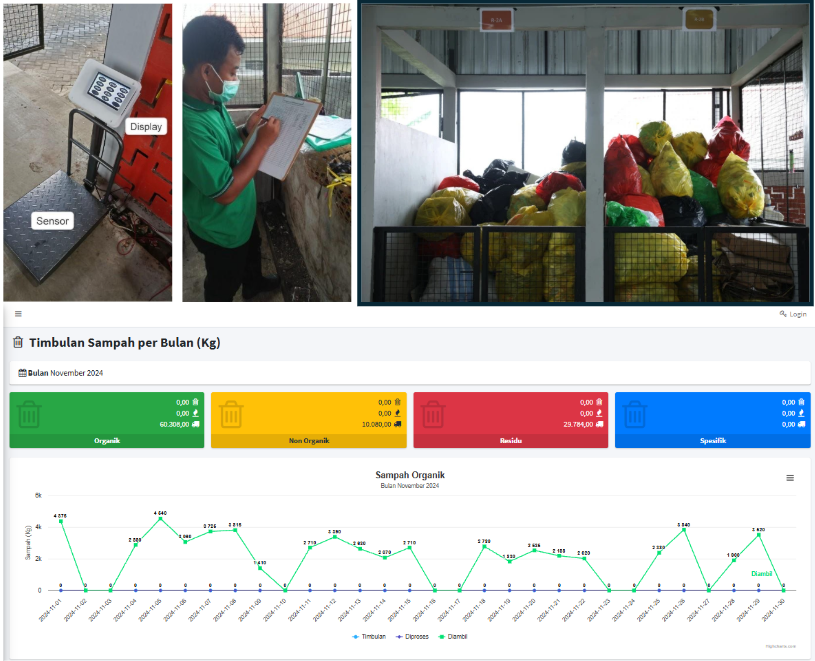
As a university with 72,564 community members, it is no surprise that UGM generated 39.4 tons of food waste in 2024. This condition requires UGM to implement a systematic approach to track, measure, and manage food waste. This is an essential step in minimizing waste and promoting sustainable food practices within its campus community.
Food waste is mostly generated from UGM’s cafeterias and university events where meals and snacks are provided. The UGM kitchens, such as the cafeteria kitchens and staff kitchens, also produce raw foods or food scraps. Other food waste sources include the university cafes and students bringing food from outside or to lounges. On the Main Campus, UGM has 20 faculties and schools, each with their own cafeterias and/or kitchens. Organic waste typically includes biodegradable materials like food scraps, yard waste, and other natural waste products. The quantity of food waste generated in 2024 has increased by 13.45 % compared to 2023. This comes as no surprise since the campus population increased by 1,836 people compared to 2023, and the number of events on campus also increased, for instance, from 148 new programs held at the newly established GIK building and an increase of 27% in the number of events on the Main Campus.
The ability to track the amount of food waste generated is due to the policies, Standard Operating Procedures (SOPs), and initiatives that UGM enforces on campus.
UGM’s Rector’s Office issued Circular Letter Number 9034/UN1.P/OT.01.03/2024 on Waste Management. This regulation is the main enforcer of waste management on campus, including food waste, mandating all university units to comply with campus waste management policies.
Food waste management on campus is further detailed in Circular Letter Number 8846/UN1.P.V/Dit.Aset/TR.01.02.2023 on Waste Management provides detailed guidelines for organic waste management, including food waste, within the university. This directive schedules organic waste collection from Monday to Saturday, between 6:30 and 10:30 a.m., facilitating regular monitoring and measurement of waste quantities. By tracking the origins and amounts of organic waste, including food leftovers, UGM ensures accountability at the unit level. This structured waste tracking method aids in accurate measurement and creates a streamlined process for identifying faculties or units generating significant waste. Such accountability encourages departments to optimise food handling and disposal practices.
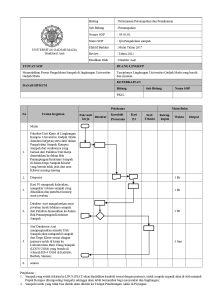
Day to day waste management follows the university Standard Operating Procedure on waste disposal management. This SOP emphasises the importance of minimising waste generation at its source. These steps contribute to a cultural shift within the university, which fosters awareness among faculty, staff, and students about responsible waste disposal practices and promotes sustainable resource use.
References: