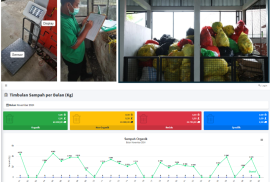
UGM measures the amount of food waste generated on campus through policies, SOPs, and tracking initiatives, recording 39.4 tons of food waste in 2024 from its cafeterias and university events serving 72,564 community members.
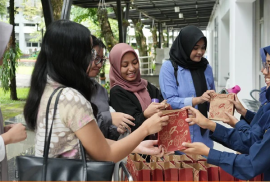
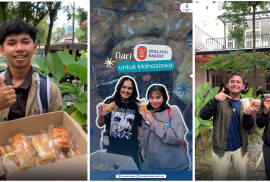
UGM has programmes in place to address student food insecurity, including the Mood Booster nutritious meal program, free breakfast during midterm and final examinations, and various free meal initiatives organized by multiple faculties.
UGM provides interventions to prevent or alleviate student hunger by collaborating with the Berbagi Bites Jogja organization to distribute food to those in need and by distributing meat to students, staff, and local communities through its faculties and Rumah ZIS during Idul Adha.
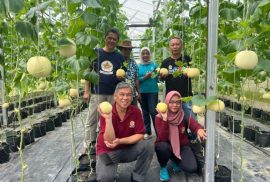
UGM provides sustainable food choices on campus by offering vegetarian and vegan options in university canteens, using mostly locally sourced ingredients, supporting local farmers through initiatives like the Pasar Krempyeng food bazaar, and cultivating its own produce such as Hikapel melons.
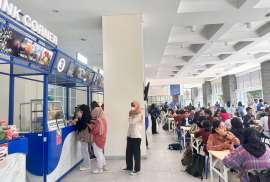
UGM provides healthy and affordable food choices by offering 5,000–20,000 IDR meals in supervised university canteens that follow Healthy Eating Program guidelines and comply with Rector Regulations on healthy food options.
UGM alleviates staff hunger by providing daily meal allowances, monthly staple food support, faculty breakfasts, and food assistance from the UGM Mosque and Berbagi Bites Jogja, as outlined in the 2024 General Financial Standard Policy.
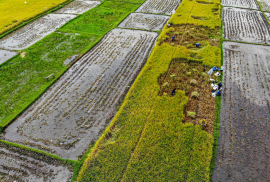
UGM supports local farmers and food producers by providing food security and sustainable agriculture knowledge and technologies, including the Gamagora rice variety that is being promoted and tested across multiple Indonesian provinces.
UGM provides events for local farmers and food producers to connect and transfer knowledge in the form of open houses, capacity-building programs, and international workshops.
UGM supports sustainable farming by giving local farmers and food producers access to university facilities and technology, including free use of the Fab Lab and Agro-technology Innovation Center, as well as paid lab rentals and food product analysis services.