Month: March 2025

  • UGM Research Centers on Environmental Sustainability

    Through its large web of Faculties, Schools, and Research Centers, UGM houses a wide range of research facilities dedicated to advancing environmental sustainability. These centers play a vital role in developing conceptual frameworks, conducting cutting-edge research, and ensuring that knowledge and technology related to environmental sustainability are accessible to both internal academic communities and external stakeholders. The availability of such research not only strengthens UGM’s contribution to solving real-world environmental challenges but also fosters innovation, collaboration, and policy impact at local, national, and international levels. Some of the key research centers at UGM include:

    The Center for Environmental Studies

    The Center for Environmental Studies (Pusat Studi Lingkungan Hidup, PSLH) organizes and facilitates critical and holistic studies in the field of environment, and disseminates and applies the results of these studies to the academic and general community. PSLH was originally established as a form of concern from the UGM academic community towards various environmental issues in Indonesia. This concern emerged in the 1970s, when massive development in Indonesia was carried out, including agricultural infrastructure, transportation, and mining. Meanwhile, ideas have been put forward about environmental management and environmental impact assessments that need to be carried out to prevent uncontrolled environmental damage as a result of development. At that time, institutions related to the environment began to emerge. 
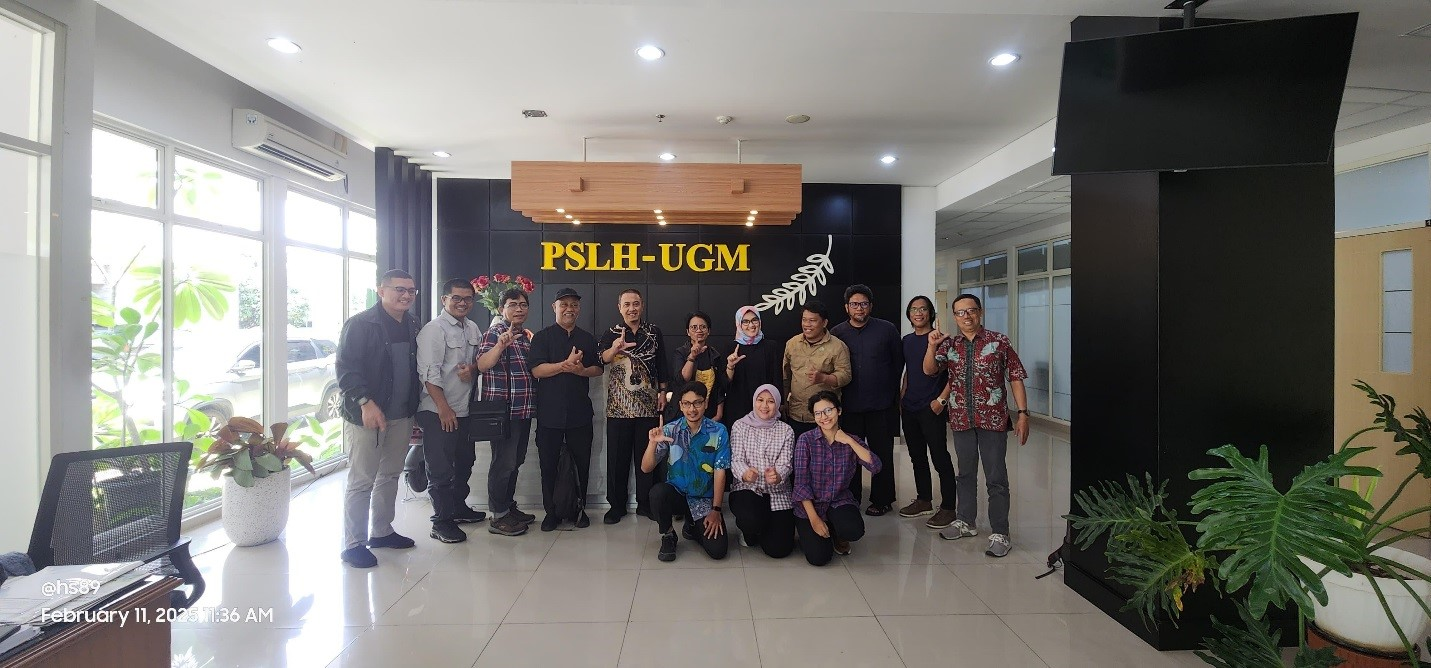
    Source: PSLH initiation of collaboration in training, research, and community Service

    Through the facilities available at PSLH, UGM is able to contribute to environmental studies and environmental sustainability. For instance, the center is equipped with a storage room for portable laboratory equipment that can be used for research/environmental quality measurement. PSLH UGM also has a number of computers for data processing and a Geographic Information System Laboratory. These facilities are used to the greatest extent by UGM’s Masters and Doctoral students in the field of environment. 

    The Engineering Research and Innovation Center

    The Engineering Research and Innovation Center (ERIC) is an interdepartmental synergy hub under the management of the Faculty of Engineering that facilitates the integration of resources, actors, and interests to produce high-quality research results for the industry, government, and general community. The center was established to become a supporting environment for postgraduate students for their various research-based activities. ERIC has 8 research centers, one of which is a center for environmental sustainability.
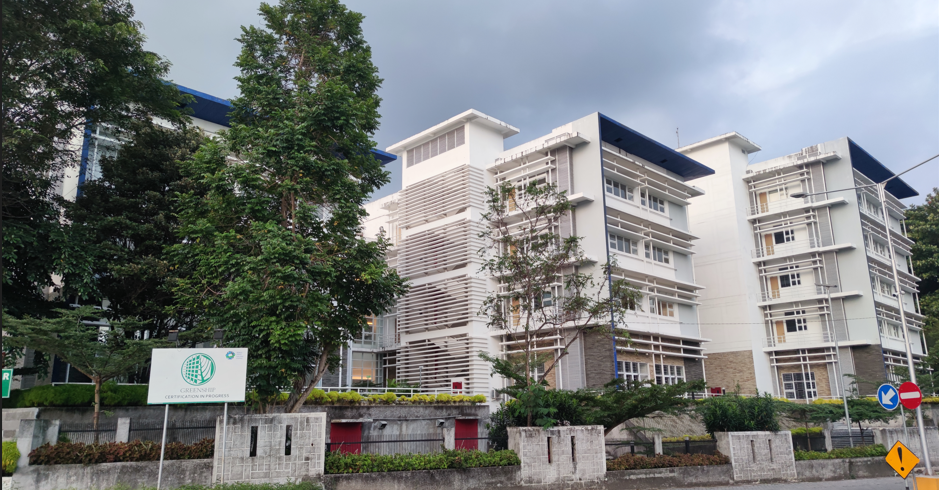
    Source: ERIC

    The Wanagama Eco-Edu Forest

    The Wanagama Eco-Edu Forest is one of UGM’s satellite campuses and open green areas. A forest area located in the Gunung Kidul District, it is used as a place of research, field study, and outdoor classroom for students of the Faculty of Forestry, UGM. The forest was initially situated in a karst area, which means the environment was mostly dry and barren. After initiatives to rehabilitate critical land and conserve the forest, Wanagama is now living proof of a sustainable environment that is home to a unique diversity of flora and fauna, including at least 170 plant species, seven bamboo species, 47 bird species, and 17 herpetofauna species. Its vision is to become a globally respected educational university forest known for its support of forest rehabilitation, land rehabilitation, tropical forest management, sustainable eco-tourism, and eco-friendly rural development.
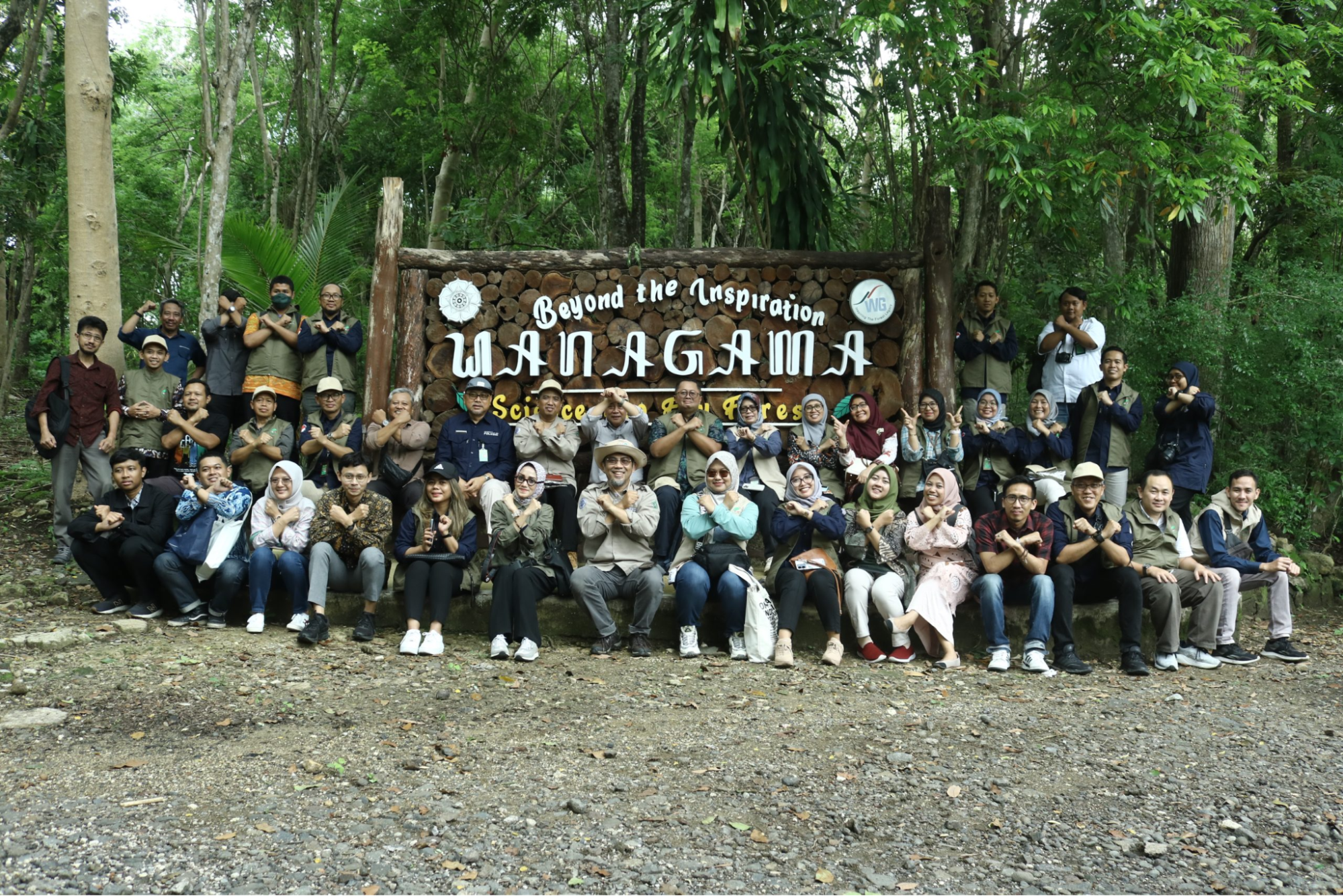
    Source: Wanagama Eco-Edu Forest

    The Center for Agrotechnology Innovation

    The Center of Agrotechnology Innovation (Pusat Inovasi dan Agroteknologi or PIAT) is a center for agricultural innovation based on integrated farming. The establishment of the center was to strengthen agriculture based on environmentally friendly technology innovation and optimization of energy resources. Also known as PIAT, the center is another UGM satellite campus that is used in the learning, research, and community service activities of UGM student and staff. PIAT has two main areas located in Berbah and Mangunan. Besides its research buildings, the areas are dotted with forests, plantations, farms, fields, gardens, ponds, and other supporting facilities; meaning, the center possesses a rich diversity of trees and vegetation. There are several sub-fields of research in PIAT. The Food and Horticulture Sub-field mainly utilises the productive farmland areas, organic gardens, and advanced green facilities like screen houses and vertical farming greenhouses. The Biodiversity Conservation Sub-Field manages genetic seed banks, orchid gardens, and tissue culture labs, Artificial ponds and water retention ponds found on site are used to study water management.
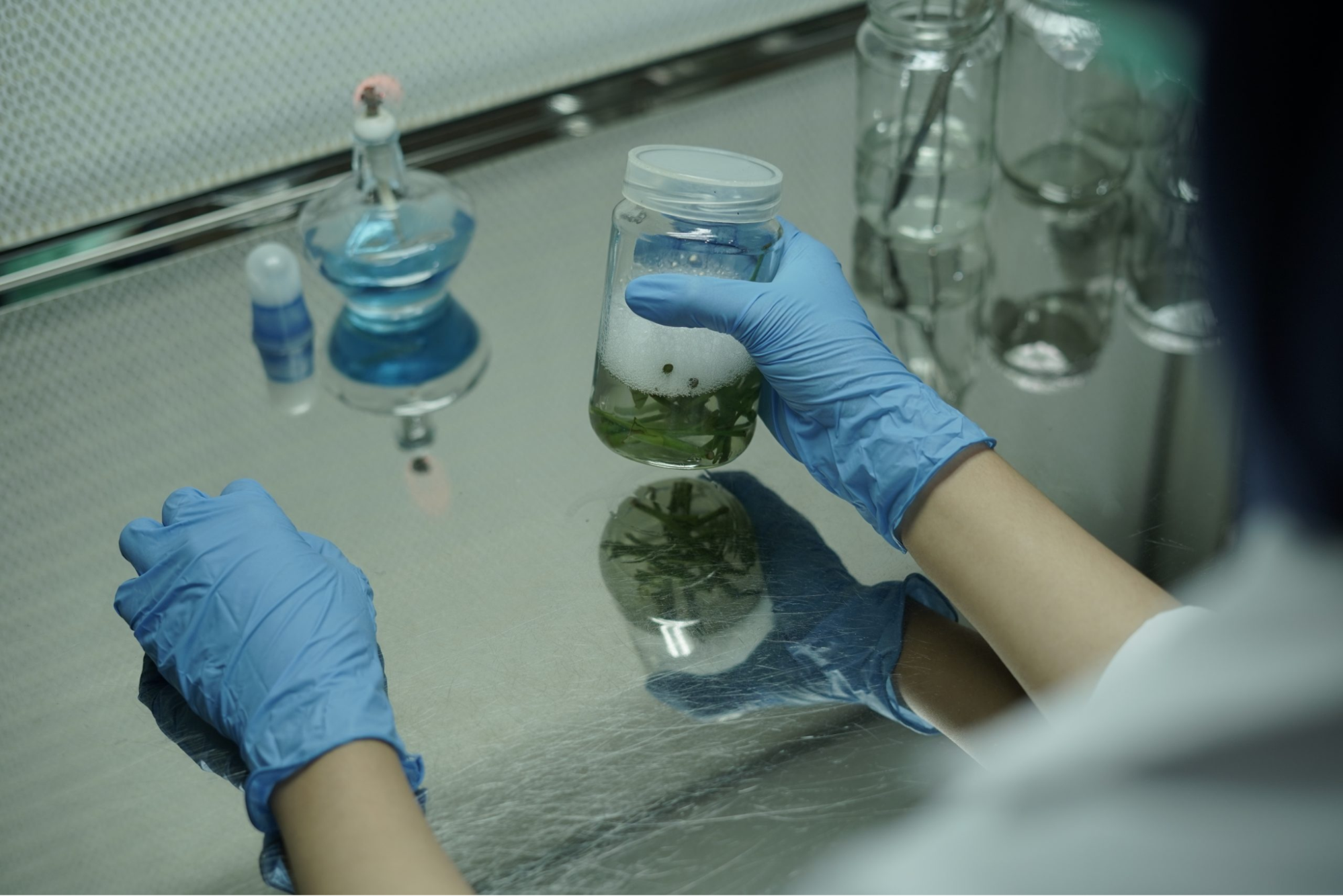
    Source: Center of Agrotechnology Innovation

    The UGM Science Techno Park

    As a socio-entrepreneurial university, UGM’s not only stands as a reference in the development of science, technology, and art. The university plays a role as a catalyst in the human development process, which leads to increased productivity and socio-economic welfare of the Indonesian people. In realizing this mission, the UGM Science Techno Park was mandated to be a productive research and innovation-based vehicle in synergy with Indonesia’s industry and government, and to play a role in the research of environmental sustainability. The research at UGM Science Techno Park focuses on overseeing 5 downstream areas; 1) Health and pharmaceuticals, 2) Agro-industry, 3) New and renewable energy, 4) Manufacturing, engineering and information technology, 5) Heritage, arts, culture and sustainable management. UGM Science Techno Park carries the tagline “Where Innovation Grows” and is expected to be capable of developing the local economy, and increasing the use of local resources to support technological independence in Indonesia. 
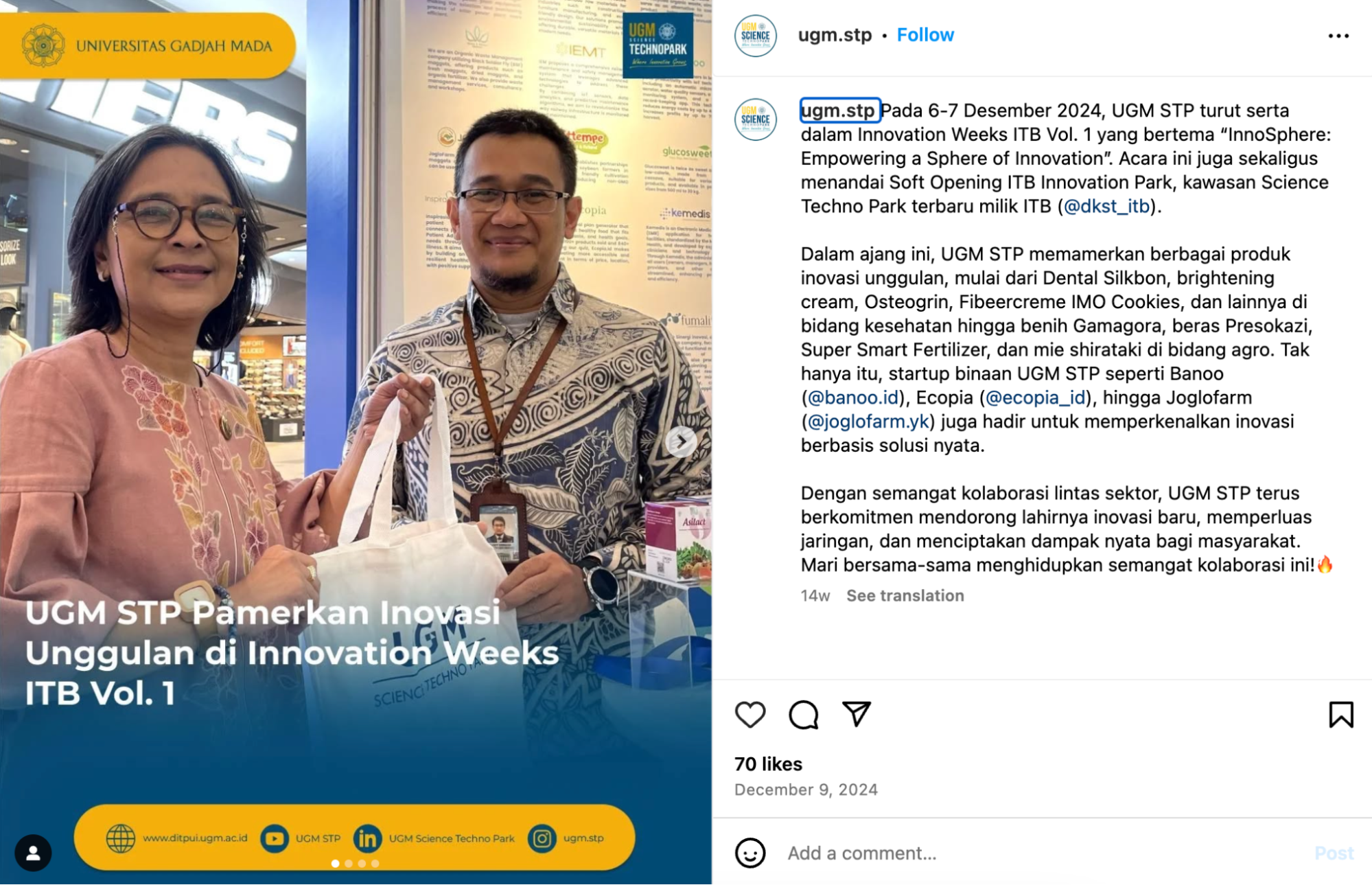
    Source: UGM Science Techno Park social media

    International Training Center for Cage-Free Innovation and Welfare Hub

    Research on sustainable farming practices are closely linked to environmental sustainability because they focus on meeting current agricultural needs without compromising the ability of future generations to meet their own needs, while also protecting the health of ecosystems. Sustainable farming practices are at the heart of environmental sustainability. These practices protect soil, water, and biodiversity; reduce pollution and greenhouse gas emissions; and promote ecological balance. The research and adoption of these practices will help farmers contribute not only to their own livelihoods but also to the long-term health of the planet.

    One concrete example of how sustainable farming practices contribute to environmental sustainability is through the promotion of ethical and eco-friendly livestock systems. By shifting toward farming methods that prioritize animal welfare, environmental protection, and resource efficiency, we help reduce pollution, conserve water and land, and support biodiversity. In this spirit, UGM has its very own International Training Center for Cage Free Farming. This training center is the first of its kind in Southeast Asia. The ITC Cage-Free Innovation and Welfare Hub was built to facilitate layers of poultry farmers, academics, and animal science students to practice cage-free farming. This facility is open to the public, including government agencies and other stakeholders, both for domestic and foreign participants. This training center enables egg producers to achieve success, sustainability, and long-term profitability in battery cage-free egg production. This training center brings together egg producers and other industry stakeholders to improve the long-term sustainability and competitiveness of the egg industry in Indonesia and across Asia.
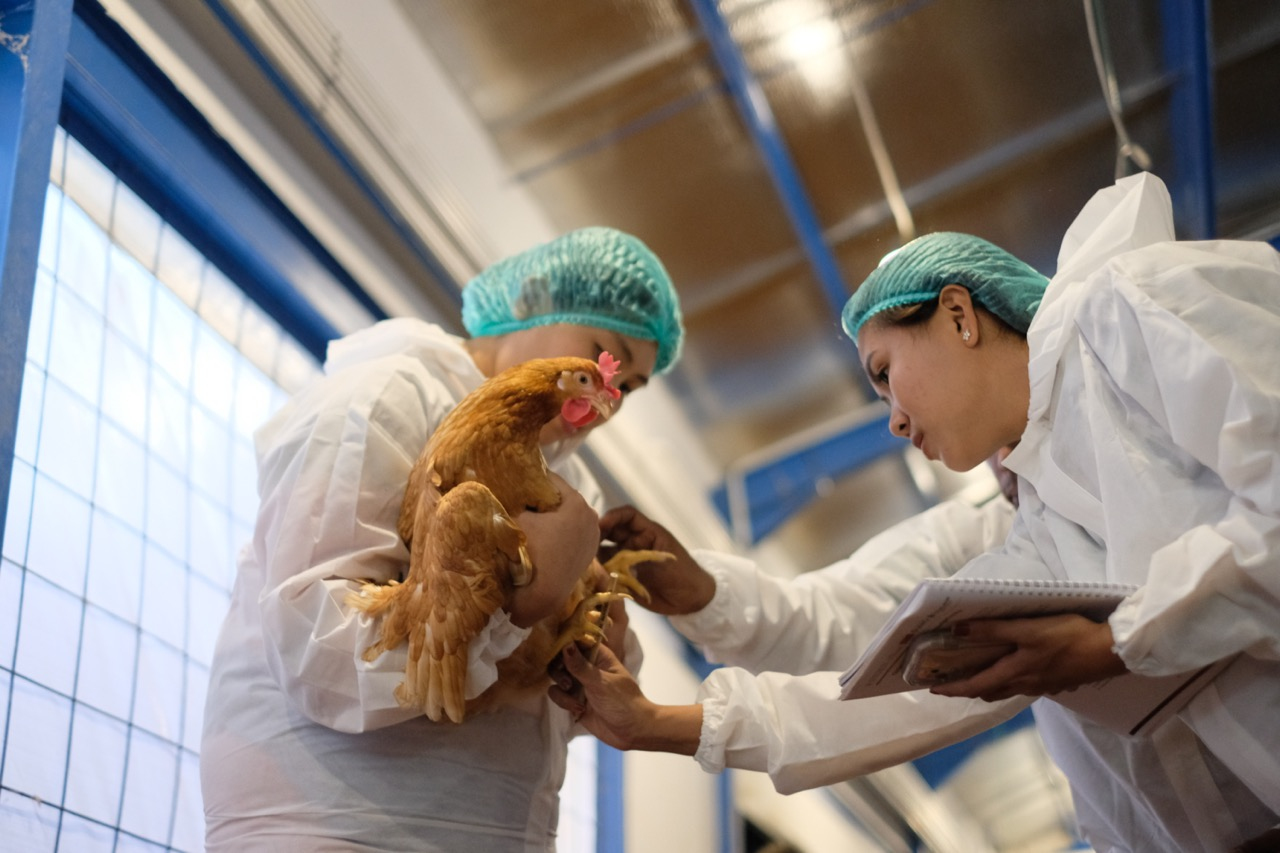
    Source: International Training Center for Cage Free Farming

    Sustainable farming practices is a key field of study in UGM. Among many groundbreaking research projects, the university has recently succeeded in blending technological creativity with agriculture through Desa Apps, a digital-based agricultural extension and communication application. Desa Apps offers features and serves as a communication/discussion/education space for farmers, extension workers, and experts in the agrocomplex field (agriculture, livestock, and fisheries) to continuously improve the quality of farming and/or breeding businesses in Indonesia; starting from planning, planting, maintenance, harvesting, and farming business analysis. Desa Apps was also developed into a website-based application (Web App) called Lentera Desa, an online education and training platform in the agrocomplex sector, in the hopes that its features and information can reach a wider audience.

    Source: Desa Apps

    UGM Vocational School Field Research Center

    UGM also has its very own Fabrication Laboratory located in the Kulon Progo District which is accessible to the public to support their farming businesses. Under the management of the Vocational School’s Field Research Center (FRC), the Fab Lab is equipped with various technology incubation facilities including cocoa processing, wood pellets, goat’s milk processing, and other technologies to accelerate the quality of local products, especially agriculture and livestock. The establishment of the Fab Lab was made possible through collaboration with the Japan International Cooperation Agency (JICA) in the Technical Cooperation Project which aims to empower the people of Kulon Progo with an open innovation approach. To accelerate the quality of local products, especially agriculture, and livestock, Fab Lab is expected to become an educational and teaching ecosystem that plays a role in creating solutions to problems, as well as educating and downstream its output to industry and society. 
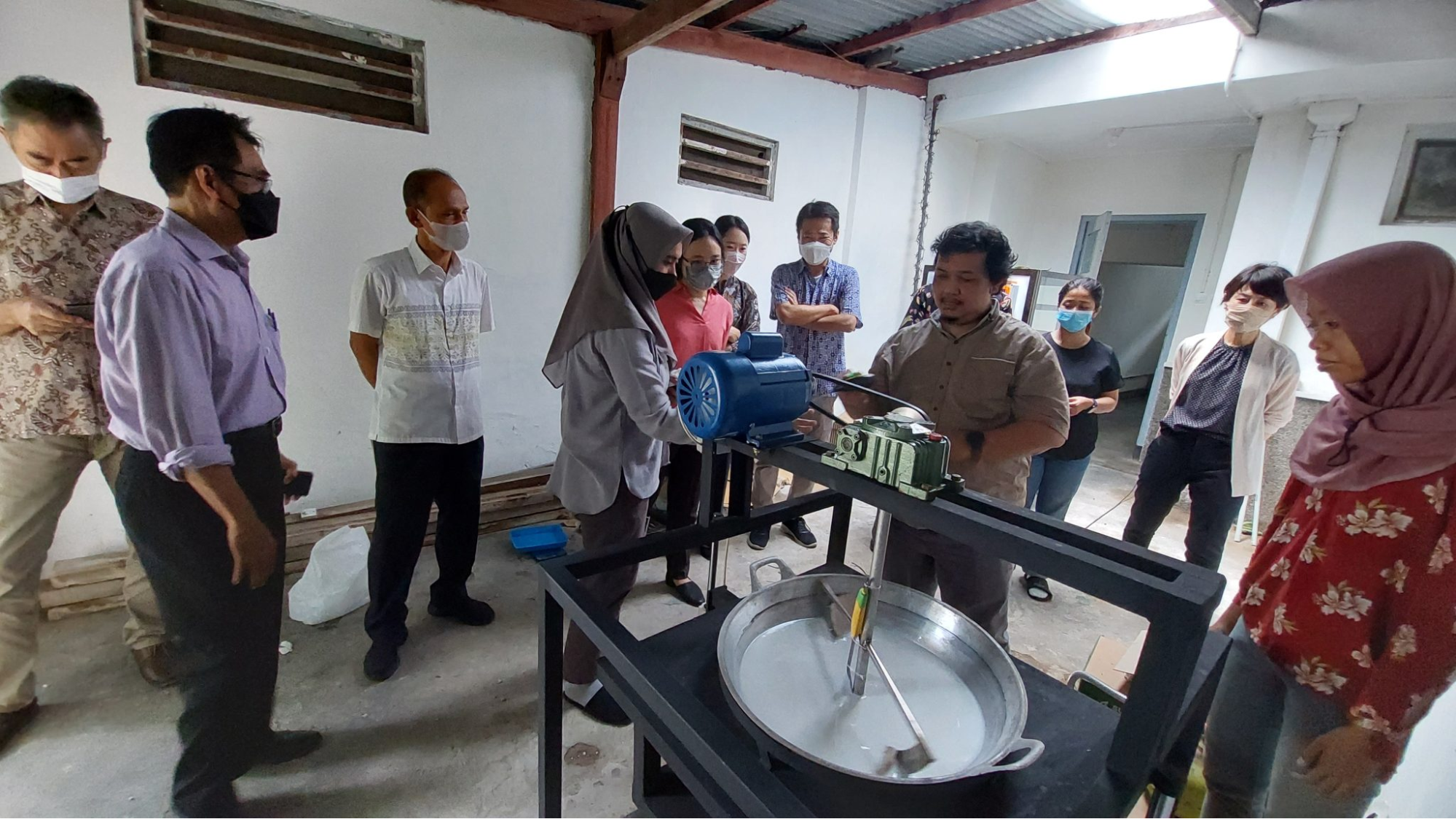
    Source: Fab Lab
  • Courses on Climate Science and Environmental Sustainability in UGM

    The study of climate and environmental sustainability has become one of the main focuses of UGM’s interdisciplinary education development program. Multiple full-degree programs in the field of climate and environment at UGM have been instituted at the undergraduate, master’s, and doctoral levels. These programs aim to develop and empower human resources, including academics and professionals, in understanding the changing paradigm of sustainable development and preparing them for actions in technology implementation, management, and community outreach.

    Bachelor’s Program in Environmental Infrastructure Engineering

    Indonesia continues to face pressing environmental challenges, including recurring floods, river pollution, global warming, and severe waste management issues. Notably, Indonesia is the second-largest contributor of plastic waste to the ocean, after China. These conditions highlight the urgent need for improved waste management systems and stronger environmental infrastructure support in the country. However, the availability of graduates specializing in environmental infrastructure remains limited despite the growing demand in this field. As future development in Indonesia will increasingly require robust environmental infrastructure, the need for skilled human resources in this area will continue to rise. Recognizing this urgency, the Bachelor’s Program in Environmental Infrastructure Engineering at UGM was established to ensure that infrastructure development is guided by a holistic and comprehensive environmental perspective, grounded in the principles of sustainable development.

    Master’s Program in Disaster Management

    The Master’s Program in Disaster Management (MMB) at Universitas Gadjah Mada was established in 2011 in response to the increasing frequency and impact of disasters in Indonesia. These disasters not only cause loss of life and property but also reverse years of development progress. The program, pioneered by the Center for Disaster Studies (PSBA) and the Graduate School, aims to produce skilled professionals with comprehensive knowledge and practical expertise in disaster management. Supported by experienced faculty and excellent facilities, MMB focuses on building leadership, rapid decision-making skills, and strategic planning capabilities. The program holds the highest accreditation status for institutions of higher education, Unggul.

    Master’s Program in Environmental Management

    The Master’s Program in Environmental Management at Universitas Gadjah Mada responds to the growing urgency of natural resource scarcity and complex environmental issues that impact policy and environmental protection efforts in Indonesia. The program aims to develop professional graduates with a strong ethos in environmental management, equipped with strategic skills in eco-efficiency and sustainable planning. These competencies are essential for supporting government, the private sector, and community efforts in balancing economic, ecological, and social needs. Supported by experienced faculty and excellent learning facilities, the program prepares future leaders to contribute to sustainable environmental development at both the national and global level.

    The Graduate School is also home to another master’s degree program, the Master’s Program in Environmental Science, which was established to support sustainable development by promoting environmental ethics that consider the impact of development on the environment. In line with Agenda 21, the program emphasizes the integration of social, economic, and cultural aspects in managing natural resources and biodiversity. Using a geographical ecology approach, the program combines physical, biological, and socio-cultural perspectives to address complex environmental challenges. Graduates are equipped with interdisciplinary knowledge and practical skills to contribute to sustainable resource management and environmental protection efforts at both national and international levels.

    Doctoral Program in Environmental Science

    In addition to the master’s program, the Environmental Science Program at Universitas Gadjah Mada is also offered at the doctoral level (the Doctoral Program in Environmental Science). This program provides advanced interdisciplinary education and research opportunities for professionals and academics who aim to contribute to scientific development and policy formulation in environmental management and sustainability.

    Programs in other SDGs-Related Fields

    UGM also possess programs in other SDGs-related fields, including:

    ASEAN Master in Sustainability Management

    The ASEAN Master in Sustainability Management (MBA) at the Faculty of Economics and Business, Universitas Gadjah Mada, is a collaborative program designed to address complex sustainability and environmental challenges through an interdisciplinary management perspective. Developed in partnership with the ASEAN University Network (AUN) and the University of Agder, Norway, this 18-month, full-time MBA program equips future leaders in government and business with strategic knowledge in finance, marketing, business ethics, and environmental sciences. Students benefit from case-based learning, guest lectures from industry and government experts, internships, and research opportunities, all supported by a strong international alumni network and Norwegian government funding.

    Master’s Program in Technology for Sustainable Development

    Rapid population growth, industrialization, and climate change have intensified environmental challenges, requiring systematic and comprehensive solutions to protect environmental quality and improve human well-being. The ability to master and apply green and appropriate technologies — from planning to implementation and evaluation — is essential for developing solutions that work in harmony with nature. To meet this need and prepare future leaders capable of influencing policies and advancing sustainable development both nationally and locally, UGM offers the Master’s Program in Technology for Sustainable Development

    Master’s Program of Extension and Development Communication

    The Master’s Program of Extension and Development Communication at Universitas Gadjah Mada is designed to educate academics and professionals to understand sustainable development paradigms, globalization, liberation, and community development decentralization through an integrated approach. Successful community development across various sectors requires effective communication and education to ensure that people benefit from progress. This program equips students with the ability to optimize communication services, empower communities, and implement development processes that improve quality of life. With two study focuses — Development Extension and Development Communication — the program prepares graduates to master community empowerment strategies and communication techniques for sustainable development.

    SDGs Elective Courses Offered in UGM

    SDGs elective courses are widely available in most faculties to promote SDGs-related competencies  among undergraduate students. These courses equip students with future skills to contribute solutions to national and the global problems concerning the environment: 

    The Master’s Program in Coastal and Watershed Planning and Management (MPPDAS) in the Faculty of Geography offers elective courses such as: Global Warming and Climate Change, Climate Change Impact Analysis in Watershed, Marine and Coastal Area – Risk and Adaptation, dan Resilience for Food Security in Climate Change Context in Faculty of Geography.

    The Faculty of Forestry offers a course in Sustainable Social Forestry.

    The Faculty of Social and Political Sciences offers a course in Sociology Energy. Their Master’s Degree in International Relations also offers an elective course on Environment, Social, and Governance (ESG).

    UGM reaffirms its commitment to addressing environmental sustainability by integrating the Sustainable Development Goals (SDGs) into its courses and academic programs. Through the continuous development of courses focused on sustainability — covering themes such as poverty reduction, health, education, renewable energy, climate action, and ecosystem preservation — UGM ensures that future leaders are equipped with the knowledge and skills to contribute to a more sustainable and equitable world.

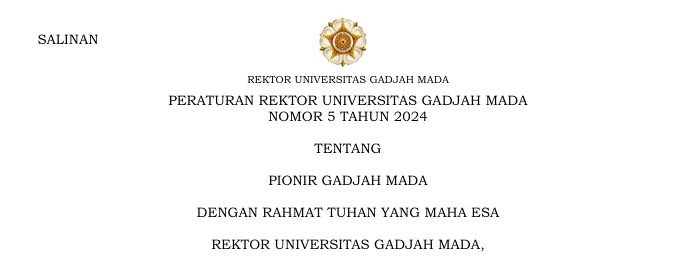
    Courses and new student orientation activities which incorporate SDGs are regulated in Rector’s Regulation No. 5 Year 2024:

    In addition, UGM also offers other courses that, although not directly related to climate science and/or environmental sustainability, are still in line with the spirit of sustainability and the SDGs, as follows : Sustainability courses at UGM

  • The UGM Blueprint: Reaching Net-Zero by 2050

    As an institution of higher education, UGM has the capabilities to research future-strategies to reach net-zero and pioneer sustainable practices. UGM aims to reach its net-zero targets by 2050. This involves reducing its campus building footprint and transitioning to renewable energy sources. 

    Improving campus building footprint is necessary to reach net-zero, because larger or inefficient building footprints could lead to higher energy consumption for lighting, heating, cooling, and maintenance. By optimizing UGM’s building designs, reducing excessive footprints, and focusing on energy-efficient infrastructure, UGM can significantly lower energy demand and reduce carbon emissions.

    As of 2024, UGM has recorded the following campus building footprint data:

    Total Gross Floor Area: 1,600,021.9 m²

    Annual Water Consumption: 97,829.10 m³

    Campus Population: 70,728

    Annual Electricity Usage: 16,779,810.48 kWh

    Renewable energy sources are also essential to reaching net-zero because they replace carbon-intensive energy sources like coal, oil, and natural gas with clean, sustainable alternatives. By using such sources, UGM can drastically reduce its Scope 2 emissions from electricity consumption. Renewable energy not only lowers carbon emissions but also benefits the UGM’s long-term energy supply and cost savings.

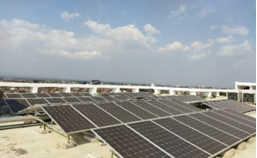
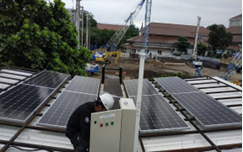
    In 2024, the amount of energy generated on campus through renewable sources totaled 1,101,982.5 kWh

    The PV system installed at Smart and Green Learning Center and Department of Electrical Engineering and Information Engineering, Faculty of Engineering

    With clear goals and measurable progress, UGM is steadily advancing toward its vision of becoming a net-zero campus by 2050. Through reducing building footprints, improving energy efficiency, and expanding the use of renewable energy, UGM is not only reducing its environmental impact but also setting a leading example for sustainable transformation in higher education. These efforts reflect UGM’s commitment to creating a greener future for its campus, its community, and Indonesia.

  • UGM Carbon Reduction Targets by 2050

    Universitas Gadjah Mada aims to become one of the most sustainable universities in Indonesia. Work has already begun to reach zero-emission by 2050 through carbon reduction targets that cover Scope 1 & 2 emissions. 

    These targets are outlined in Universitas Gadjah Mada’s Strategic Plan 2022-2027 (p. 46) in which the university aims to reduce carbon emissions from campus transportation. Using the 2021 baseline of 709.82 metric tons of CO₂, UGM aims to lower emissions to 689 metric tons by 2024. UGM is ambitious to lower emissions further each year, with the ultimate goal of reducing emissions to 659 metric tons by the end of 2027.

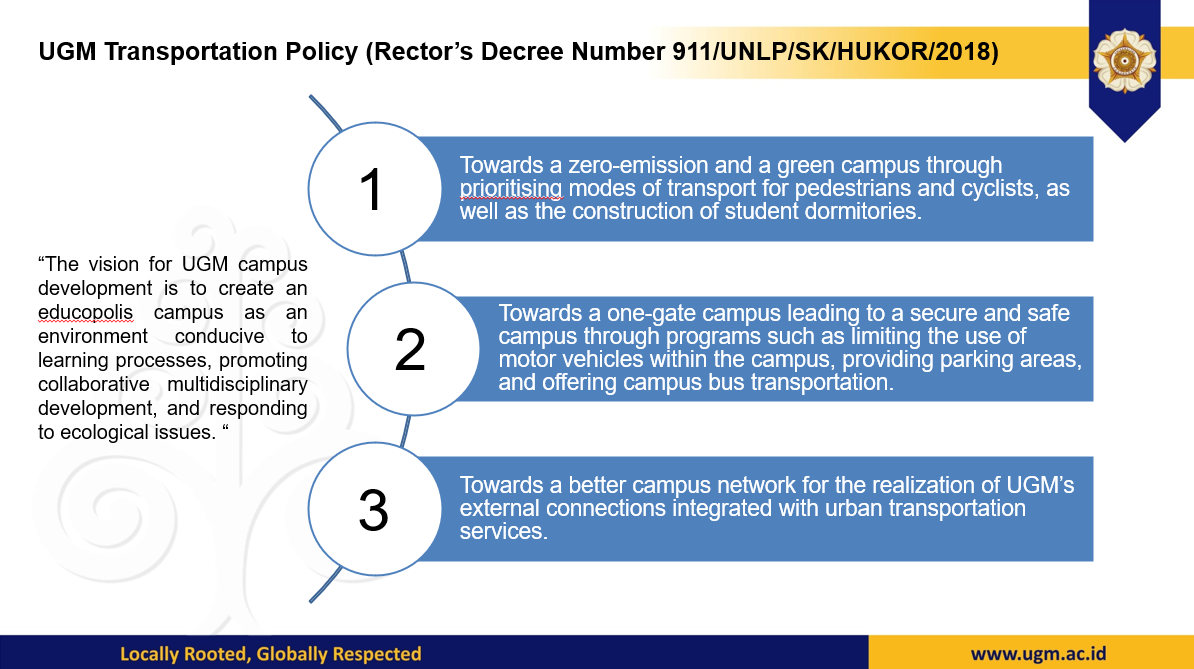
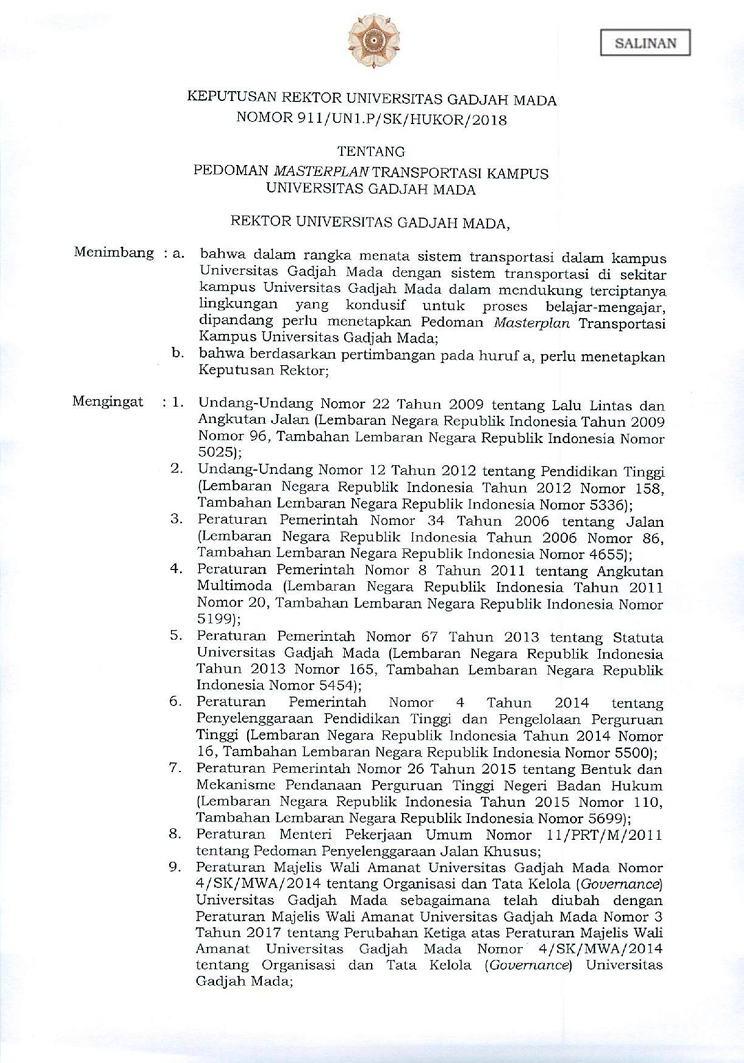
    The Rector’s Decree Number 911 Year 2018 is the legal enforcer for reducing emissions from campus transportation and creating a better transportation network. The university has implemented a Zero Emission Vehicles Policy on Campus involving measures to encourage the use of non-motorized and eco-friendly transportation modes, such as initiating a campus bicycle program and promoting the use of the university’s very own electric buses.

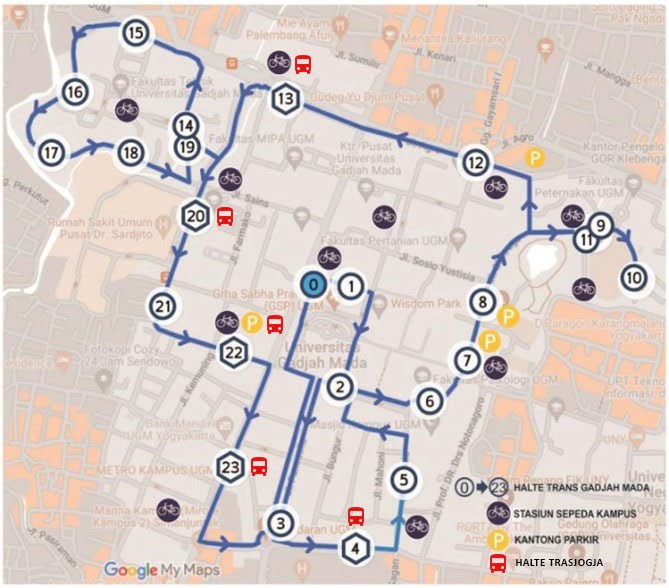
    UGM’s campus bicycle program provides bicycles available for use by all students, staff, and faculty to rent at no cost within the campus area. UGM is proud to announce that it now has over 1,000 bikes in its fleet. Meanwhile, the Electric Bus Service known as Trans Gadjah Mada operates from Monday to Friday from 06.30 a.m. to 4.16 p.m. within a determined route and is accessible to the entire campus community, making it another sustainable option for commuting around campus.

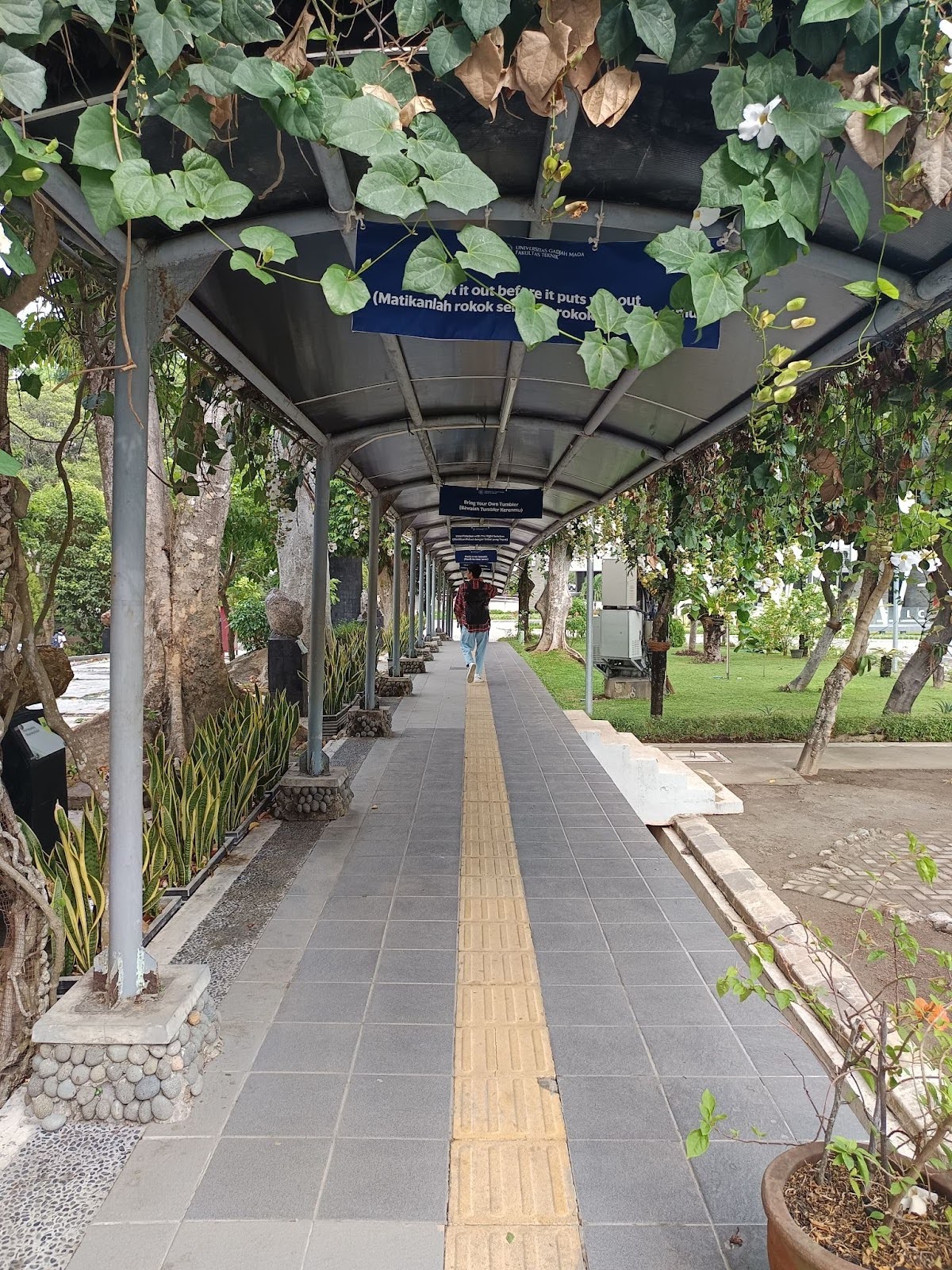
    Pedestrian path in the UGM campus area

    Electric bus route integrated with public transportation routes

  • UGM Carbon Emissions Report

    Universitas Gadjah Mada is determined to become a zero-emission campus. 

    Since 2018, the university has reported its carbon emissions following both the GHG Protocol Corporate Standard and the US EPA Government Emission Standard

    UGM’s current emission calculations account for Scope 1 and Scope 2 emissions. Specifically, Scope 1 includes emissions from university-owned vehicles and employee mobility and travel. Meanwhile, Scope 2 covers emissions from electricity consumption, including both coal-based and renewable energy sources. The university has incorporated a strategy for reaching zero-emissions in Rector’s Decree Number 911 Year 2018 through the transportation master plan guidelines. This integrated approach allows UGM to transparently measure and manage its environmental impact in alignment with recognized global standards.

    Source: Rector’s Decree Number 911 Year 2018

    For Scope 1, accounting for fuel combustion from university-owned vehicles, UGM produces 1,491.52 metric tonnes CO2e per year. Electric vehicle emissions are included under Scope 2, as charging activities occur on campus.

    Scope 2 emissions, resulting from electricity consumption, are divided into coal-based and renewable energy sources, producing 13,639.71 and 44.08 metric tonnes CO2e per year, respectively. Therefore, the total calculated Scope 2 emissions amount to 13,683.79 metric tonnes CO2e per year.

    This rise in Scope 2 emissions is closely linked to the increase in electricity consumption on campus. In 2022, total energy consumption was 12,561,610 kWh/year, which rose to 16,779,810.48 kWh/year in 2023 due to the development of new green buildings at UGM. These buildings expanded the gross floor area, thereby increasing overall energy demand. Despite this growth, UGM remains categorized as a low energy consumption international green campus according to the UI Green Metric rankings. In 2024, electricity consumption per capita was recorded at 237.24 kWh/person—15% more efficient than the upper limit of the highest scoring range, earning UGM the maximum score of 5.

    These emission calculations reflect UGM’s commitment to transparency and accountability in addressing global warming and climate change. The carbon emissions report across Scopes 1 and 2 is a key tool in monitoring the university’s environmental impact and also sets a foundation for targeted action towards future emission reduction. UGM aims to also be able to record and report the university’s Scope 3 emissions in the near future.

  • Student Led Societies in UGM Engaging with Sustainability

    Student-led societies are at the heart of the sustainability movement. These societies cultivate awareness and responsibility among students, helping to build future leaders who prioritize sustainability. Their activities complement UGM’s sustainability goals, bridging the gap between campus policies and student action. By empowering its students to take ownership of issues pertaining to SDGs, UGM strengthens their role as catalysts for sustainable development, both locally and globally.

    Student Unions

    UGM recognizes the Rector’s Regulation No. 1 Year 2017 on UGM Student Unions, in which students at UGM are given the right to establish student unions under the supervision of the Student Affairs Directorate. Student Unions provides a structural organization for students to be involved in a learning governance environment as well as conducting proper organization practices including providing governance input to the university, support for students (e.g. scholarship platform), and organizing social activities (knowledge dissemination, advocacy, service programs, and various forms of community empowerment activities). 

    The Student Executive Board (BEM) KM UGM

    The Student Executive Board (BEM) KM UGM serves as a hub for student activism and self-development, supporting academic, social, and leadership initiatives. Their agenda includes providing inclusive student services, fostering community service, advocating for impactful issues, and building collaborative relationships. Additionally, UGM supports 50 Student Activity Units, ensuring diverse student engagement and activities. This comprehensive approach underscores UGM’s commitment to involving students in the governance and enhancing their university experience.

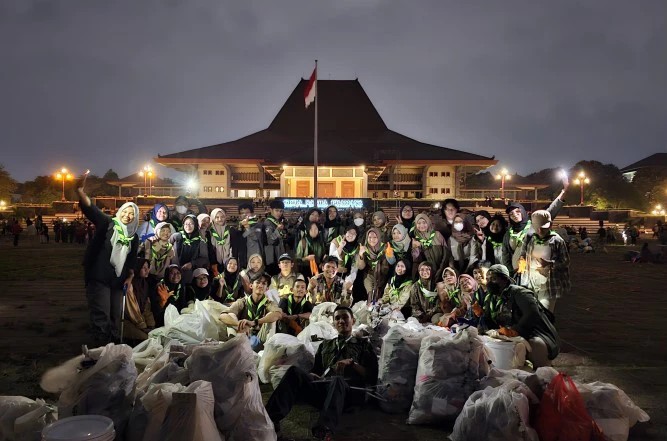
    LokaLogi, a community that cares about waste

    LokaLogi is a student-led-awareness-community under the Pramuka (Scouts) student activity unit which was established in commemoration of World Environment Day 2024. LokaLogi was formed as a platform to empower students in addressing environmental and waste management issues through innovation and concrete action. The community is not only a collective for student action but also a hub that connects and supports other waste management communities.

    Source: UGM Student Community ‘Lokalogi’ Engages in Waste Sorting and Management

    LokaLogi’s main activities include raising awareness on waste issues, promoting simple waste management practices such as reuse and recycling, and providing event waste management services both within UGM and for the scouting community. The community also functions as an educational media platform and a channel for collaborative outreach, making waste solutions more accessible and understandable for the public.

    Student Activity Unit of Diffable Care (SAUDC)

    UGM has its very own Student Activity Unit of Diffable Care (SAUDC or UKM Peduli Difabel) aimed to accommodate aspirations, motivate, and stand for rights of people with disabilities within the UGM community. This organisation plays a key role in promoting inclusivity by empowering students with disabilities to organise events and initiatives that enhance their capacities and raise awareness about disability inclusion within the UGM community. The members of SAUDC are both disabled and non-disabled UGM students who actively volunteer to support the cause. The organisation’s primary goals include addressing the aspirations of students with disabilities, providing motivation, and advocating for disability-related issues and rights within the university. By fostering collaboration and understanding, this unit contributes significantly to creating a more inclusive and supportive academic environment.

  • University Policy on Sustainable Investment

    As part of its commitment to long-term sustainability, UGM has established a sustainable investment policy that prioritizes financial independence, environmental responsibility, and efficient resource management. This policy ensures that university investments and business developments support sustainability goals while maintaining economic resilience.

    UGM is committed to divesting from carbon-intensive energy industries in order to promote sustainable lifestyle on campus. This is iterated in Circular Letter Number 16839/UN1.P/HK.02/2024  on Sustainable Lifestyle. Point 6 (b) states that UGM will implement policies that promote sustainability, which includes avoiding financial involvement with companies operating in industries with high carbon emissions (refer to pg. 4).

    In accordance with the Board of Trustees Regulation Number 1 Year 2021, UGM is committed to maintaining sustainability, fulfilling needs adequately, and achieving financial independence through increased resource management efficiency (pg. 23). Furthermore, UGM is dedicated to business development that enhances financial sustainability and self-reliance (pg. 24). This policy also strengthens the foundation set by Rector’s Decree Number 157 Year 2020 and Rector’s Decree Number 911 Year 2018.  

    Aligned with the University’s Master Plan on Campus Transportation, UGM promotes the use of environmentally friendly energy through three core concepts (pg. 8): 1) Zero Emission, 2) One Gate Campus, and 3) Better Campus Network. The use of electric vehicles and the installation of power systems based on renewable energy in UGM buildings are encouraged to replace carbon-intensive sources such as coal and oil. These efforts are further guided by the Technical Guidance on Building Planning, Maintenance, and Conservation (pg. 22).

  • Universitas Gadjah Mada’s Policy on Sustainable Procurement/Purchasing

    UGM’s sustainable procurement policy ensures that all goods and services acquired by the university support environmental, social, and economic sustainability. The university system involves selecting products that are energy-efficient, eco-friendly, ethically produced, and sourced from responsible suppliers. This policy is essential to reduce environmental impact, promote ethical labor practices, and align university operations with sustainability goals.

    UGM’s procurement processes are guided by the following regulations: 

    Rector Regulation Number 12 of 2024: An update to Rector Regulation Number 12 of 2022, governing the university’s Procurement of Goods and Services. This regulation revises the procurement policies and procedures within UGM, focusing on sustainability, efficiency, and transparency in the procurement process.

    Article 3 of Rector Regulation Number 12 of 2024, emphasizes the integration of sustainability aspects into the procurement of goods and services. It states that the procurement of goods and services (including food) must enhance the use of domestic products, utilize products from Micro, Small, and Medium Enterprises (MSMEs), and encourage the participation of the creative industry.
    Meanwhile, Article 75 states that the procurement of goods and services must consider sustainability aspects. These aspects include economic considerations, such as evaluating the total production costs of goods and services throughout their lifespan. Social aspects are also prioritized, including the empowerment of small businesses, ensuring fair working conditions, promoting local community and business engagement, and upholding equality and diversity. Additionally, environmental aspects are addressed by reducing negative impacts on health, air quality, soil quality, water quality, and the use of natural resources, in accordance with applicable laws and regulations.
    Rector Regulation Number 12 of 2022: Updates the previous regulation by reinforcing sustainable practices, such as minimizing harm to health, air, soil, and water quality, and ensuring the responsible use of natural resources.
    Rector Regulation Number 8 of 2020: Introduced to incorporate economic, social, and environmental factors into the procurement of goods and services. 

    Just last year, the Vice Rector issued a Circular on Efforts to Reduce Waste in the Presentation of Food and Beverages for Consumption Orders at UGM (Circular Letter Number 6627/UN1/P4/PL.00.00/2024), stating that:

    All mineral water in UGM must be procured from Toyagama products (point 2, page 1). Toyagama is a locally produced mineral water brand (owned by UGM) with an environmentally friendly production process and is certified by the Indonesian National Standard (SNI). Toyagama is provided through water fountains and water dispensers available in each faculty and campus main buildings. Students are encouraged to bring their own water bottles to campus and re-fill their bottles through these fountains and dispensers.

    The regulation also demands sustainable food presentation for official campus activities, as outlined in Point 3 (pages 1 and 2) of its guidelines. The recommendations include using reusable or biodegradable food containers and prioritizing local ingredients to support local farmers and producers. Single-use plastics, such as straws, cups, and cutlery, are to be avoided in all food packaging. Buffet-style serving is preferred over individually packed meals to reduce packaging waste. Additionally, the university promotes the use of environmentally friendly catering services with established sustainable practices. Proper management of food leftovers is also emphasized, including options such as donation programs or composting initiatives. These steps must be taken to reduce waste and support environmentally friendly practices.

    The university even has specific policies targeted at sustainable sourcing of food and supplies. Students, staff, and faculty are encouraged to choose products that are supplied by ethical food producers, clearly stated in Rector Regulation Number 12 Year 2022 about Procurement of Goods and Services. Article 75 states that the procurement of goods/services must take into account sustainable aspects. One of the aspects is the environmental aspect, including reducing negative impacts on health, air quality, soil quality, water quality, and using natural resources in accordance with statutory provisions. This policy reiterates Rector Regulation Number 8 Year 2020 about Procurement of Goods and Services Article 76, which mentions the integration of economic, social, and environmental aspects in the procurement of goods and services.

    It also strengthens Circular Letter Number 1791/UN1.P/KJM/BU/2020 on Sustainable Lifestyle, another policy encouraging the campus community to prioritise purchasing from ethical food producers and support campus eco-friendly practices.

  • How UGM Assesses Sustainability Literacy and Knowledge

    In today’s rapidly changing world, institutions of higher education play a vital role in fostering sustainability. To ensure that students and staff not only understand but also apply sustainability principles, having an assessment tool for measuring sustainability literacy and knowledge is essential. Such tools help evaluate awareness, track progress, and guide continuous improvement, empowering academic communities to become active contributors to sustainable development.

    As proof of its commitment to measuring sustainability literacy and knowledge, UGM, through its Directorate of Human Resources, conducts annual basic training for new staff, followed by a formal assessment at the end of the program. This assessment evaluates participants’ understanding of key topics delivered by renowned experts, including UGM values, character development, and most notably, adaptation to climate and environmental challenges. Through this structured training and evaluation, UGM ensures that its staff are not only well-equipped with institutional values but also possess the knowledge and awareness necessary to contribute to broader sustainability goals.

    Assessment Test for Basic Training for New Staff: Post Test Basic Training for Staff

    Assessment Test for Student: Post Test Sustainability Literacy and Knowledge for Students