Day: December 25, 2024

  • 1.3.1. Bottom financial quintile admission target

    1.3.1. Bottom financial quintile admission target

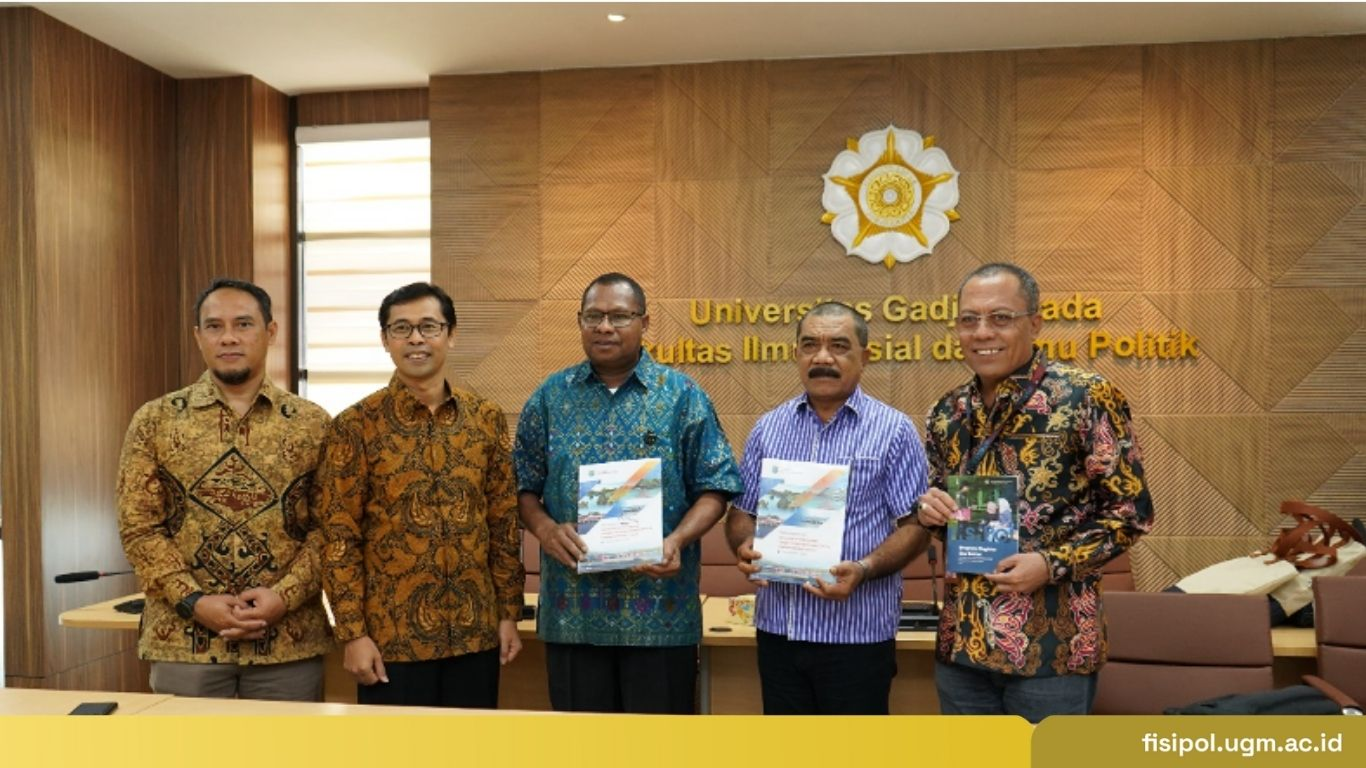
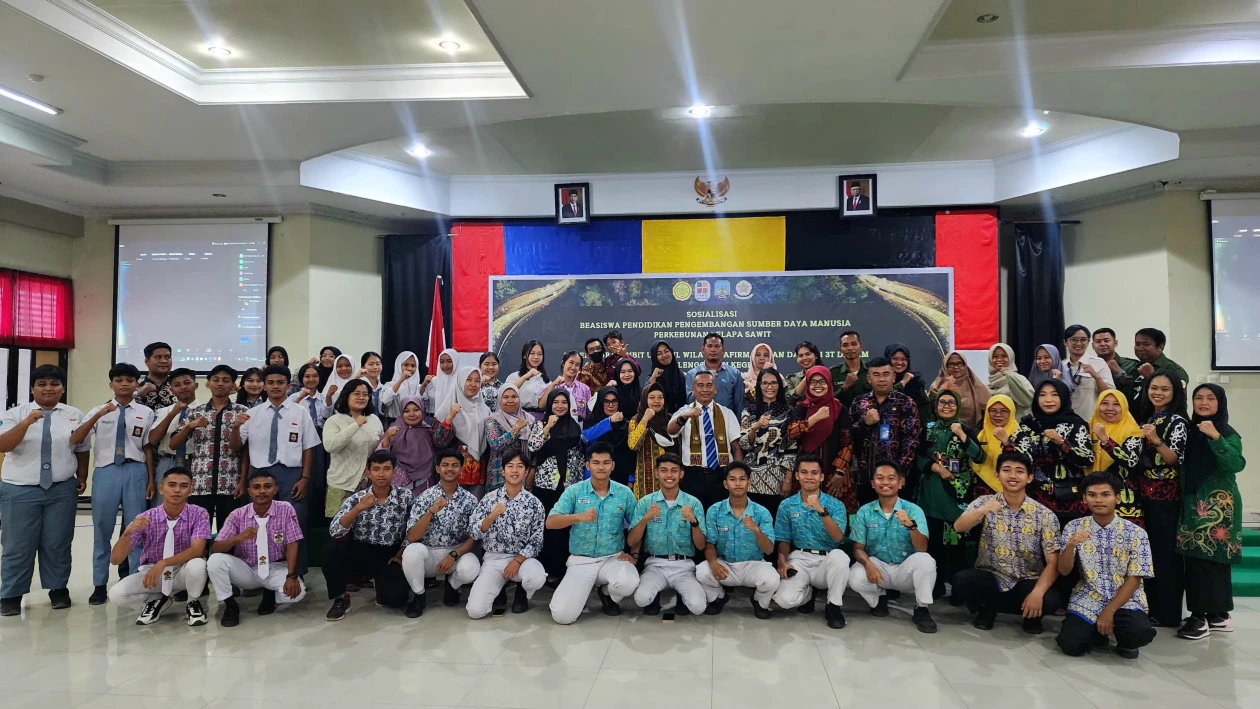
    Source: UGM Engages in North Kalimantan to Expand Educational Access in 3T Regions
     

    In March 2025, the National Office of Statistics recorded 11% of Indonesia’s total population—approximately 23.85 million people—were living below the poverty line. Among them, 10% were of age to enter higher education (university or college). Unfortunately, financial barriers continue to discourage many students from enrolling in university. 

    To expand access for these Indonesian youth, the Indonesian government established the Kartu Indonesia Pintar Kuliah (KIP Kuliah) program, a continuation of the Bidikmisi program that ran from 2010 to 2022.  The main target of the KIP Kuliah program is to assist students with academic achievements from low-income families in pursuing higher education without financial burden. In 2024, the government awarded 101,000 students for KIP Kuliah scholarships across Indonesia

    In 2024, a total of 40,390 undergraduate students were enrolled in UGM. Of this number, 8,955 students, or 22.17%, were recipients of KIP Kuliah assistance. UGM has contributed in supporting 8.9% of the government’s KIP Kuliah recipients nationwide. This is part of UGM’s admission strategy targeting students who fall into the bottom 20% of household income group in the country.

    All public universities in Indonesia have implemented the UKT system since 2013. UKT stands for the Single Tuition Fee (Uang Kuliah Tunggal), the tuition fee that students are required to pay each semester. Students only need to pay tuition once per semester, with a fixed (flat) amount that remains the same throughout their period of study. The government applies a cross-subsidy scheme based on each student’s economic background. Students with stronger financial capacity are assigned higher tuition fees, allowing those from wealthier families to indirectly subsidize the education of students from less advantaged economic backgrounds. The implementation of this cross-subsidy system divides UKT into several levels; Zero subsidy, 25% subsidy, 50% subsidy, 75% subsidy, and 100% subsidy. This allows students from various economic conditions to access higher education, including those who come from the bottom financial quintile.

    UGM is the oldest and one of the largest public universities in Indonesia. Each year, UGM sets a targeted number of students receiving tuition fee subsidies—meaning students who receive the 25% until 100% subsidy—per faculty. In 2024, 21,517 students at UGM received the 25% to 100% subsidy tuition fees, accounting for  53% of the total students enrolled.

    Students registered under KIP Kuliah assistance are eligible to apply to UGM through the Selection of Outstanding Economically Disadvantaged Students (Penelusuran Bibit Unggul Tidak Mampu or PBUTM) admission track. The combined gross income of the parents/guardians responsible for tuition fees must not exceed IDR 4 million per month, the combined gross income per family member must not exceed IDR 750 thousand per month, and the parents’ or guardians’ highest educational attainment must be a bachelor’s degree (S1) or diploma four (D4).

    There are two other admission tracks available for students from the bottom household income group; namely the Selection of Outstanding High-Achieving Students (Penelusuran Bibit Unggul Berprestasi or PBUB), and Selection of Affirmative and 3T Region Students (Penelusuran Bibit Unggul Afirmasi dan Daerah 3T ). 

    Indonesia is the world’s largest archipelagic island nation with over 17 thousand  islands. It is understandable that development in remote regions is slower than others. These regions are called the 3T regions (3T stands for tertinggal, terdepan, and terluar) and they are the less developed and less populated regions of Indonesia. 

    UGM has prepared the PBU 3T pathway specifically targeted at students from these regions. Partnering with local governments and organizations, UGM identifies students with leadership and academic potential from high schools that meet accreditation standards. This initiative not only promotes educational accessibility but also aligns with national development objectives by nurturing young talents from remote areas. 

    The PBU 3T program places a strong emphasis on leadership skills and academic potential, requiring candidates to meet high school accreditation standards and obtain nominations from their principals. Through partnerships with local governments and organisations, UGM seeks to identify and assist potential students from these communities.

    To give a chance for students from the 3T regions to register at UGM, UGM held the UGM Entrance Examination CBT 2024 in 7 cities throughout Indonesia. A total of 41,973 participants took part; of these, 32,414 participants sat the test in Yogyakarta, while 9,559 took the exam in six other Indonesian cities: Jakarta, Kupang, Balikpapan, Medan, Pekanbaru, and Makassar. These cities are located in Sumatra, Java, and Sulawesi islands, and were selected to approach students who wish to study at UGM without needing to travel to Yogyakarta.

    UGM will continue to expand equitable access to new student admissions for Indonesia’s outermost regions through the Penelusuran Bibit Unggul (PBU) Affirmation Track for Disadvantaged, Frontier, and Outermost Areas (3T). Therefore, in the coming years, the university may open more test centers in various regions. UGM is currently considering the possibility of conducting the UGM Entrance Examination in Papua. This will certainly provide wider opportunities for Papuan students who wish to study at UGM.

    To encourage more and more regions and students to apply to UGM through the Penelusuran Bibit Unggul (PBU) Affirmation and 3T pathway, UGM sends representatives to hold socialization programs. Such an effort was realized through a socialization program conducted at the University of North Kalimantan on May 16th, 2024,  in collaboration with the Provincial Office of Agriculture and Food Security of North Kalimantan.


    References:

    1. Kartu Indonesia Pintar (KIP) Kuliah Program
    2. Government Awards 101,000 students with KIP-K
    3. UGM Opens Registration for Outstanding Students through PBU Track for Economically Disadvantaged, Affirmation, and 3T Regions
    4. UGM Continues to Expand Equitable Access to New Student Admissions
    5. UGM Engages in North Kalimantan to Expand Educational Access in 3T Regions
  • 1.3.2. Bottom financial quintile student success

    1.3.2. Bottom financial quintile student success

    Higher education is a strong determinant of future employment and economic stability, yet access to it remains unequal in Indonesia. Individuals in the lowest 20% income group—earning only Rp 535,548 to Rp 1.2 million per capita—are classified as the country’s vulnerable group who face the greatest barriers to entering and completing university. UGM is committed to promoting graduation and completion targets for these students who fall into the bottom 20% of household income group.

    Since our university implements the Single Tuition Fee (Uang Kuliah Tunggal or UKT) system, students with stronger financial capacity are assigned higher tuition fees, allowing those from wealthier families to indirectly subsidize the education of students from less advantaged economic backgrounds. The implementation of this cross-subsidy system divides UKT into 6 levels. UKT Levels 1 and 2 receive 100% tuition subsidy, Level 3 receives 75% subsidy, Level 4 receives 50% subsidy, Level 5 receives 75% subsidy, and Level 6 receives zero subsidy (meaning they pay the full tuition). At UGM, students who come from households in the lowest 20% income group are categorized into the UKT Levels 1 and 2. In 2024, over  50% of the university’s student body received a subsidized tuition fee. 

    UGM guarantees that no student will be forced to drop out of the university due to financial difficulties. At the graduation ceremony on August 26-28, 2025, UGM awarded degrees to 3,664 students; 3,150 from undergraduate programs and 514 from vocational programs. Our university targets that all students from the bottom 20% of the household income group will graduate by supporting them with subsidized tuition fees. 

    The trends in UGM’s graduation statistics reveal a growing number of graduates from low-income households. In 2022, 19% of graduates came from these households, increasing to 36% in later ceremonies. This upward trend indicates that UGM is successfully fulfilling university targets to provide financial support to students from low-income households.


    References:

    1. UKT Levels 1 and 2
    2. UGM guarantees no student will be forced to drop out
    3. 3,664 students graduate in August 2025
  • 1.3.3. Low-income student support

    1.3.3. Low-income student support


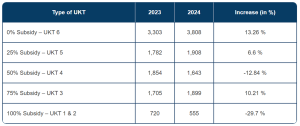
    2024 witnessed a 29.7% decrease in the number of students in UKT Levels 1 and 2, in other words, a decrease in the number of students who received 100% tuition subsidy. Students in this group are considered the most in need of student support. The decline in the number of students in these UKT Levels occurred inadvertently and could not be anticipated through UGM’s admission mechanisms. However, efforts to provide comprehensive student support are likely to be more effective when the number of recipients is smaller. UGM aims to maintain the overall number of student support beneficiaries each year, while diversifying the forms of support provided such as health services including free medical check-ups, psychological counseling, disability support, legal aid, laptop loan programs, housing assistance, and transportation services.

    Health Services 

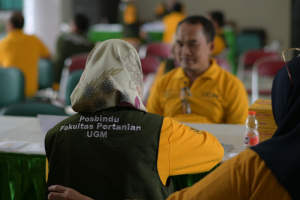
    Source: Posbindu at the Faculty of Agriculture 

    Low income students often face lack of clear information and challenges in accessing quality healthcare. Our university ensures that this is never the case at UGM. UGM became a Health Promoting University (HPU) in 2019, which is an initiative initiated by the ASEAN University Network Health Promotion Division (AUN-HPN). There are seven main activities under HPU: health literacy, physical activity, healthy diet, mental health, zero tolerance for drugs, tobacco, and alcohol, zero tolerance for violence, bullying, and harassment, as well as the creation of a healthy, safe, and disability-friendly environment. UGM’s faculties have since organized health education and healthcare services under HPU. Students from low-income households can receive free medical check-ups from faculty posbindu (integrated health service posts) for early detection of non-communicable diseases (NCDs). 

    At UGM, all students are able to access all services at the Gadjah Mada Medical Center (GMC) for free. GMC operates from Monday to Saturday, between 7.30 a.m. and 7.00 p.m. The clinic provides a wide range of facilities and services, including General Practice, Dental Clinic, Maternal and Child Health and Family Planning (MCH–FP) Clinic, Ultrasound services for pregnant women, Eye Health and Refraction Clinic, Mental Health Services (Psychology Clinic), Nutrition Counseling, International Vaccination Services, Fitness Center, Wellness Activities such as Aerobics and Yoga, as well as Laboratory, Pharmacy, and comprehensive Medical Check-Up services.

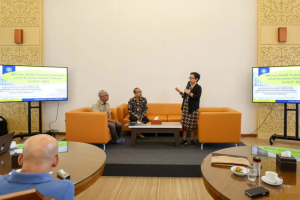
    Source: Inauguration of UGM ULKM (Mental Health Service Unit) 

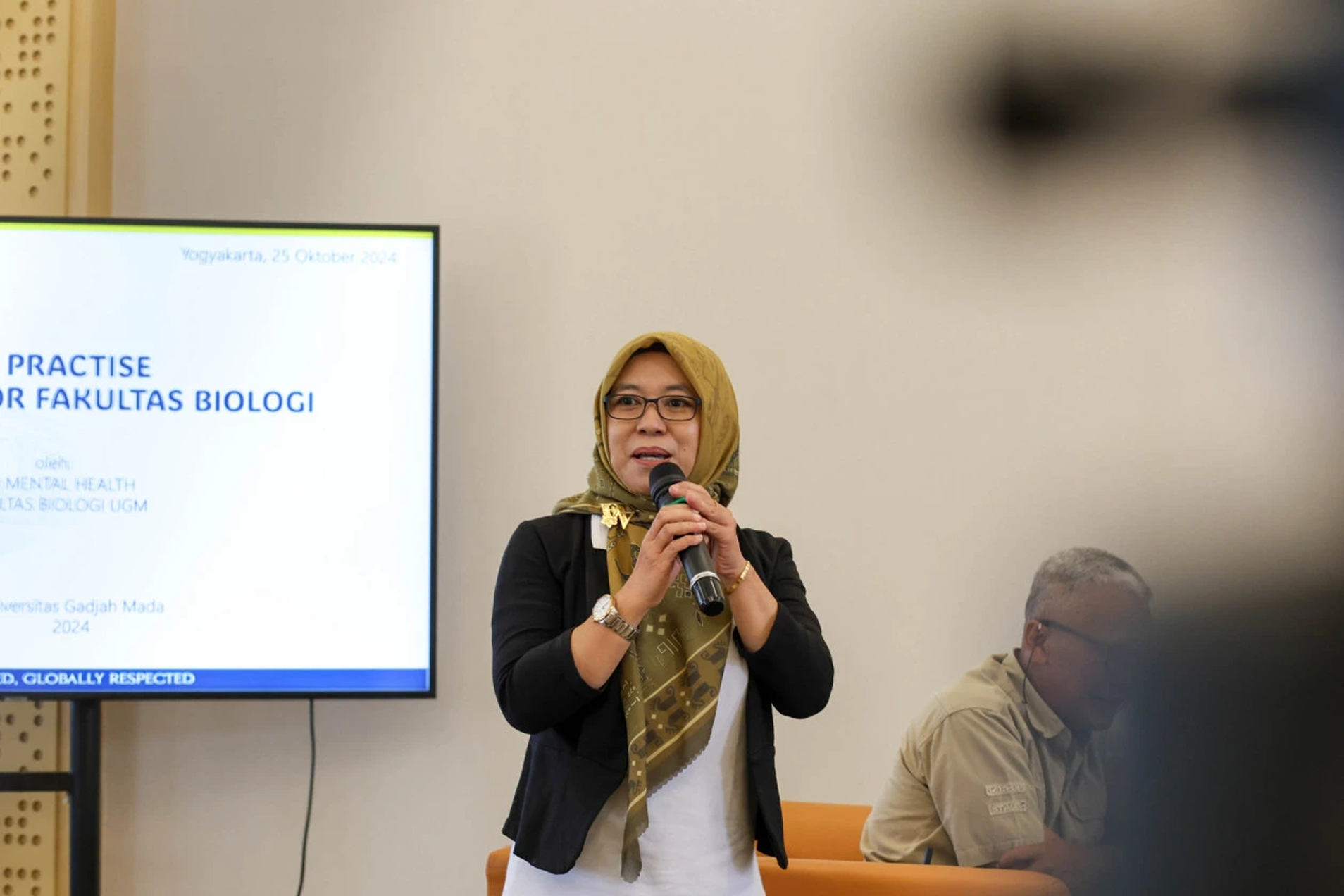
    Free psychological counseling for low-income students is also provided for free by the newly established Mental Health Services Unit (Unit Layanan Kesehatan Mental or ULKM). The unit implements early detection programs to identify potential mental health risks among the academic community; providing assessment and crisis intervention services for mental health issues; and coordinating mental health services across various units—such as faculties/schools, GMC, and the UGM Academic Hospital (RSA). Students are able to receive referrals to professionals such as psychologists, psychiatrists, or external institutions when necessary. The ULKM also manages a mental health crisis hotline.

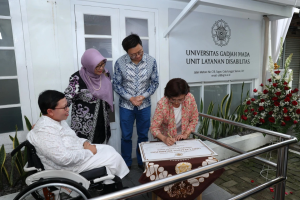
    Source: UGM Rector Inaugurates Disability Service Unit 

    For students with disabilities, our university operates the Disability Services Unit (Unit Layanan Disabilitas) which provides academic and non-academic support for students, staff, and faculty at UGM with disabilities, including assistance during admission tests, learning accommodations, and advocating accessibility. ULD’s mission is to promote inclusive education and awareness across campus.

    Legal Aid

    The Legal Consultation and Assistance Center (PKBH) is a dedicated unit within the Faculty of Law that provides legal consultation, legal assistance, and community service activities. Its services include free legal consultation and representation for low-income students at UGM as well as for the entire campus community and members of the general public.

    PKBH operates through three main divisions. The Legal Consultation and Assistance Division focuses on receiving and handling legal cases, offering consultation, and providing pro bono legal support. The Special Education Program for the Advocate Profession (PKPA) Division is committed to developing competent, skilled, and ethical future advocates through comprehensive and high-quality training led by experienced instructors from both academic and professional backgrounds. Meanwhile, the Legal Education and Outreach Division promotes legal awareness and education among the public through community outreach programs.

    Laptop Loans

    Source: student laptop loan service 

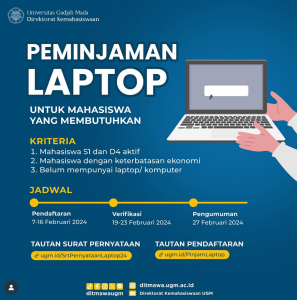
    In today’s rapidly advancing digital era, university coursework is increasingly conducted through online platforms. Given the dynamic nature of academic schedules, students are often required to study and complete assignments in various locations, making having access to laptops as essential for academic success. Students from low income families are able to register for the student laptop loan service provided by UGM’s Directorate of Student Affairs (Ditmawa UGM). Eligible students should complete the request form available on Ditmawa social media.

    Source: donated laptops to support FEB UGM students

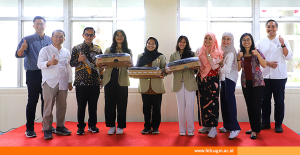
    The Alumni Association of the Faculty of Economics and Business (KAFEGAMA) Class of 2004, has also donated laptops to support FEB UGM students in their academic activities. These laptops are provided to undergraduate students, particularly those from low-income households or those who do not yet own a laptop, through FEB UGM’s laptop loan service. This contribution is expected to support students throughout their studies until graduation.

    Transportation

    Source: Campus Bicycle service

    UGM offers a Campus Bicycle service designed as a free and eco-friendly mobility solution. This initiative provides free access to bicycles to help students move efficiently between campus facilities such as classrooms, libraries, and laboratories. Low-income students without personal means of transportation can use this service for their daily campus activities. Additional information on bicycle station locations and registration can be found on campus social media media and webpages.

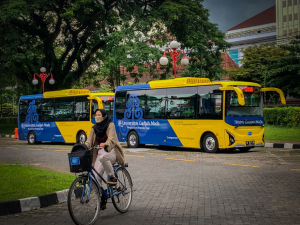
    The Trans Gadjah Mada Electric Bus Service is another sustainable transportation option designed to create an environmentally friendly and accessible campus. The electric bus operates within the university area, providing free and convenient transportation for all students, particularly those from low-income backgrounds who may not have personal vehicles. The service aims to improve student mobility across UGM’s large campus while ensuring carbon emission reduction. Additional information on bus routes and timetables are available on campus social media and webpages.

    Housing

    Source: UGM Student Dormitory 

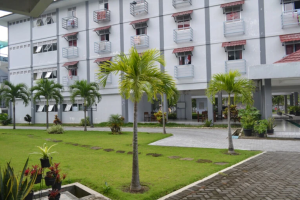
    The standard boarding cost for students around UGM’s campus and in Yogyakarta ranges from IDR 500,000 to 1,000,000 per month. UGM itself provides various types of on-campus housing, as shown in this brochure, at more affordable prices as part of its student support initiatives. The room rates at UGM’s seven student dormitories range from IDR 350,000 to 1,400,000 per month, making them considerably cheaper compared to most off-campus housing options.

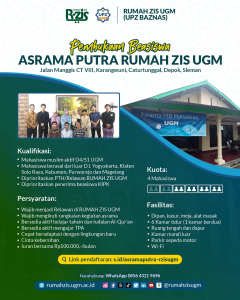
      In addition, students can register for housing scholarships such as the Scholarship Boarding Program for Universitas Gadjah Mada Students. The program is initiated by Rumah ZIS UGM and the UGM student dormitory to provide housing for students with financial struggles. The Scholarship Boarding Program was initiated by one of the donors and later integrated with community service activities organized by RUMAH ZIS UGM. Students will stay at one of UGM’s on-campus dormitories throughout the duration of their studies.

    References:

    1. HPU holds posbindu (integrated health service posts)
    2. Gadjah Mada Medical Center (GMC)
    3. Mental Health Services Unit 
    4. Disability Services Unit
    5. The Legal Consultation and Assistance Center
    6. Ditmawa student laptop loan service
    7. KAFEGAMA donated laptops to support FEB UGM students
    8. Campus Bicycle service
    9. Trans Gadjah Mada Electric Bus Service
    10. The standard boarding cost for students in Yogyakarta
    11.  On-campus housing brochure
    12. UGM’s seven student dormitories
    13. Scholarship Boarding Program
  • 1.3.4. Bottom financial quintile student support

    1.3.4. Bottom financial quintile student support

    The Universitas Gadjah Mada Strategic Plan 2022-2027 outlines our university’s commitment to admit students from the lowest 20% of household income groups, as stated on page 36. In 2022, UGM distributed Rp 304.5 billion in financial support to over 18 thousand students. This support is a result of cooperation with 165 partners in the form of 192 types of scholarships. This number represents a 3.08 % increase compared to the amount of financial support distributed in 2021 of Rp 295.4 billion. In 2024, 13,005 students enrolled in UGM were recipients of financial aid and scholarships. Besides tuition fee subsidies, our university also provides tuition payment support, alumni and corporate scholarships, and zakat-based and community engagement financial assistance.

    Tuition Fee Subsidies

    As the oldest and one of the largest public universities in Indonesia, UGM implements the Single Tuition Fee (Uang Kuliah Tunggal or UKT) system wherein students only need to pay their tuition once per semester, with a fixed (flat) amount that remains the same throughout their period of study. The system complies with the Indonesian Ministry of Education Regulation No. 25 of 2020 and applies to all Indonesian public universities. UKT at UGM is divided into 6 levels; UKT Levels 1 and 2 receive 100% tuition subsidy, Level 3 receives 75% subsidy, Level 4 receives 50% subsidy, Level 5 receives 75% subsidy, and Level 6 receives zero subsidy (meaning they pay the full tuition). At UGM, students who fall into the bottom 20% of household income groups fall into UKT Levels 1 and 2. In 2024, over 50% of the university’s student body received a subsidized tuition fee and 555 students enrolled received 100% tuition subsidy.

    Source: Faculty of Economics and Business

    In the Faculty of Animal Science alone, 61.5% of freshman students received tuition subsidies during the start of the 2024 academic year. A total of 205 out of 333 new students received subsidies, consisting of 74 students with a 25% subsidy, 77 students with a 50% subsidy, 49 students with a 75% subsidy, and 5 students with a 100% subsidy. Meanwhile, in the Faculty of Economics and Business, 50.12% of freshman students received tuition subsidies. Among them, 13.32% were awarded the 100% subsidy.

    Tuition Payment Support

    In 2024, 21 UGM students received the Cendekia Baznas Scholarship. Each student receives scholarship assistance in the form of tuition fee support (UKT) of up to IDR 5 million, along with mentorship and scholarship guidance. The scholarship funds were collected from public and corporate contributions through zakat, infaq, and sadaqah donations, including contributions from companies such as PT Henan Putihrai Sekuritas.

    Scholarship Programs

    For students requiring full scholarships, UGM offers several programs funded by the government, corporate partners, and employment-linked initiatives. Government-funded scholarships include the Kartu Indonesia Pintar Kuliah program, which covers full tuition and living expenses for low-income students. Another option is the Higher Education Affirmation (Afirmasi Pendidikan Tinggi or ADik) program, which has four track options for students from Papua, students from 3T or Indonesia’s outermost regions, children of migrant workers, and students with disabilities. In 2024, UGM supported 8,955 students through the KIP Kuliah program and 149 students through the ADik program.

    An inspiring story comes from Shareent Violent Kusuma Ayu Wardhani (18), a young woman accepted as a new student at the Faculty of Economics and Business in 2025 without taking a test, through the National Selection Based on Achievement (SNBP) track. As a recipient of the Kartu Indonesia Pintar Kuliah scholarship, she is also exempted from tuition fees until graduation. Since childhood, she has had a strong desire to pursue higher education and reach the university level. She firmly believes that education can change her life and elevate her family’s social standing.

    Another success story is Awane Theovilla, a remarkable young woman from Awabutu, Paniai District, Central Papua, who turned her dream of obtaining a quality education into reality despite growing up in one of Indonesia’s underdeveloped regions. She earned her Bachelor’s degree in Economics from UGM in 2024 with the support of the ADik scholarship. Awane’s journey was not without challenges—she once had to pause her studies in 2019 following widespread incidents of racism against Papuan students. Now a proud graduate, Awane plans to return to Awabutu to contribute to regional development and help transform the region into a leading destination that uplifts the welfare of its community.

    Alumni and Corporate Funded Financial Assistance

    As the oldest public university in Indonesia, UGM’s alumni association, Keluarga Alumni Universitas Gadjah Mada (KAGAMA), is a vibrant and extensive community which has donated to scholarship funds that financially support disadvantaged students access education and academic services. The scholarship funds come from alumni donations as well as grants from KAGAMA and UGM partners. By the end of 2023, the total amount collected for the Foster Parent Scholarship Program reached IDR 505 million, benefiting 25 scholarship recipients. The assistance was provided in the form of Single Tuition Fee (UKT) support and monthly living allowances. Meanwhile, the Gadjah Mada Peduli Scholarship distributed a total of IDR 227 million in financial aid to 74 students.

    The Faculty of Economics and Business’ own alumni association (KAFEGAMA) holds the annual KAFEGAMA Open Golf Tournament (KOGT) aimed at raising funds for scholarships and educational support facilities for UGM students. In 2024, alumni made through direct donations, including a song auction that successfully raised IDR 30 million.

    The cost of education has been steadily increasing in Indonesia, making it challenging for many students to pursue higher education. When government and alumni scholarships are unable to reach all students who fall into the bottom 20% of household income groups, these students can turn to corporate scholarships given by UGM’s partners, which are financial aid created by a corporate business/organization with the intention of helping one or many hopeful candidates complete their education at UGM. 

    Source: Mitsubishi UFJ Foundation Scholarship from Japan

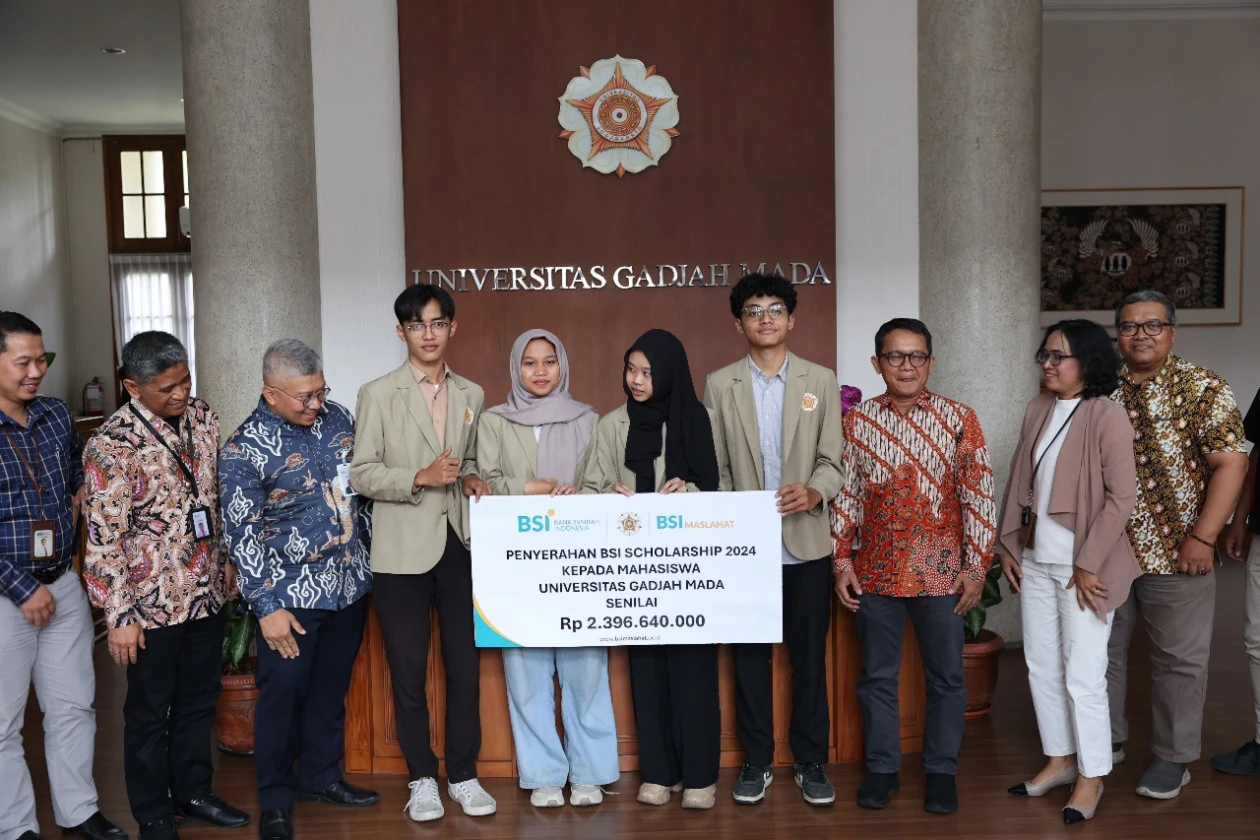
    For instance, Bank Syariah Indonesia (BSI), one of the largest national banks, handed over scholarship funds worth DR 2.3 billion to aid students from economically disadvantaged families to cover their tuition expenses. The Morowali Industrial Park (IMIP) Foundation provided scholarships for 24 students from the Faculty of Engineering and the Vocational School reaching IDR 321.5 million. In 2024, 45 UGM students received scholarships fromPT Bank Central Asia Tbk (BCA) under the Bakti BCA Scholarship. The scholarship covers their UKT along with a monthly allowance of IDR 500,000. Likewise, the Mitsubishi UFJ Foundation Scholarship from Japan was awarded to 16 students and each of the sixteen recipients received a scholarship of IDR 5 million for a one-year period.

    Zakat-Based and Community Engagement Financial Assistance

    UGM also integrates community engagement with financial assistance through its zakat-based programs. The PTH Scholarship and Volunteers Batch 33 initiative provides living allowances in three scholarship tiers and transportation stipends while involving students in zakat distribution activities. This approach not only supports students financially but also promotes social responsibility and community involvement, reflecting UGM’s commitment to fostering well-rounded and socially conscious graduates. Together, these programs ensure that financial challenges do not impede students’ academic and personal growth at UGM.

    References:

    1. UKT Levels 1 and 2
    2. Faculty of Animal Science
    3. Faculty of Economics and Business
    4. Cendekia Baznas Scholarship
    5. Government-funded scholarships
    6. Inspiring story from Shareent
    7. Success story from Awane Theovilla
    8. Scholarship funds from alumni KAGAMA
    9. KAFEGAMA scholarship funds
    10. Bank Syariah Indonesia (BSI) scholarship
    11. Morowali Industrial Park (IMIP) Foundation scholarship
    12. Bakti BCA Scholarship
    13. Mitsubishi UFJ Foundation Scholarship from Japan
    14. PTH Scholarship and Volunteers Batch 33
  • 1.3.5 Low or lower-middle income countries student support

    1.3.5 Low or lower-middle income countries student support

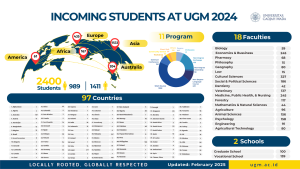
    In 2024, UGM admitted 2,400 international students from 97 countries. Several countries where these students come from are still classified by the world bank as being low or lower-middle income countries. For instance, Afghanistan is a low income country, meanwhile Bangladesh, Cambodia, Nepal, Senegal, Tanzania, and Vietnam are lower-middle income countries. The allocation of scholarships to students coming from low and lower-middle income countries is crucial to allow equal opportunities for education. 100 out of the 2,400 international students enrolled in UGM were scholarship recipients. These scholarships cover tuition fee, living cost, research grants, medical insurance as well as other student support services, including soft skills and Indonesian language skill. 

    Source: UGM International Student Admissions 

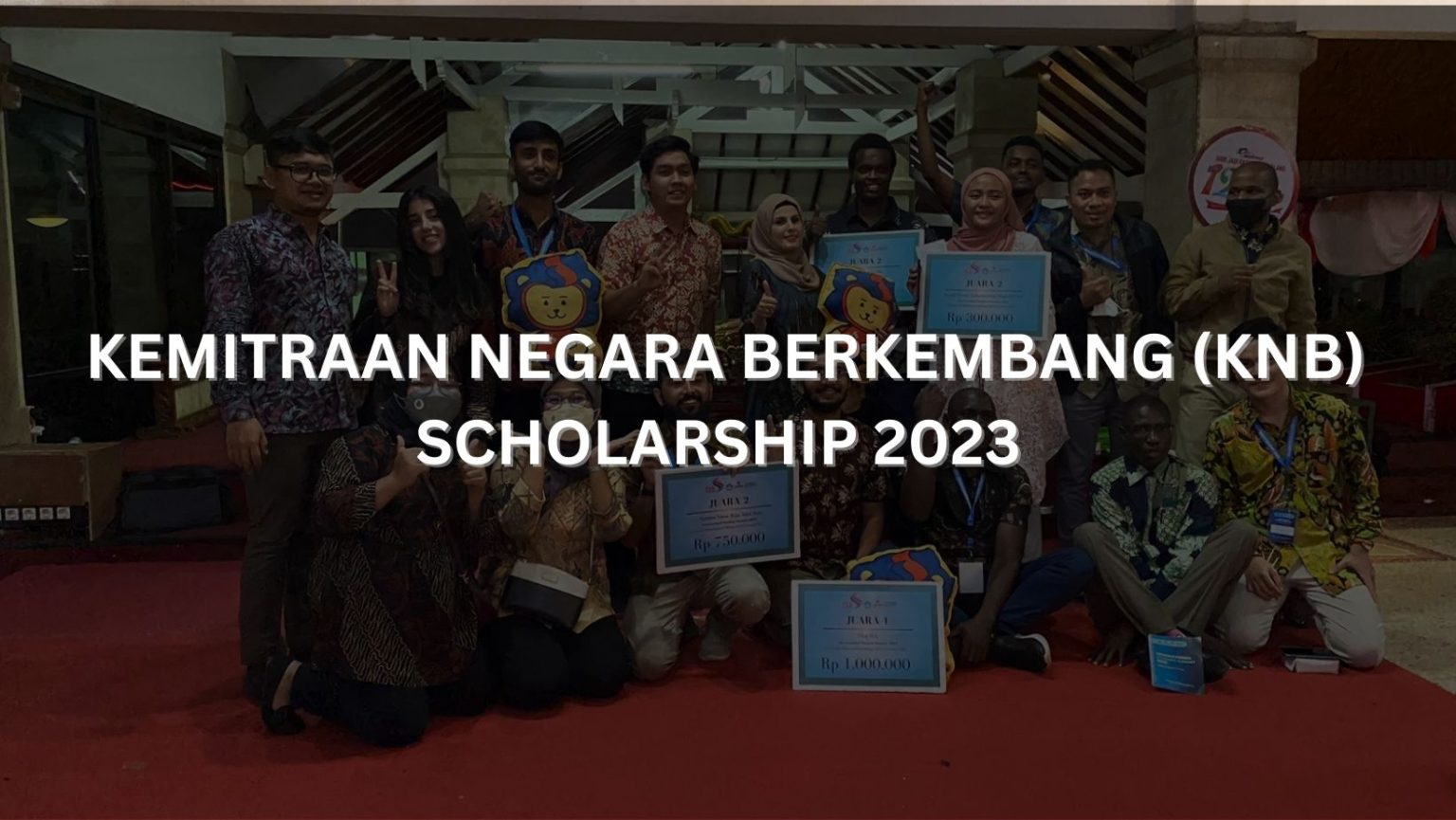
    Kemitraan Negara Berkembang Scholarship

    The Developing Countries Partnership (Kemitraan Negara Berkembang or KNB) Scholarship is a flagship initiative aimed at supporting students from low- and lower-middle-income countries. To date, it has been awarded to over 1,600 students from 97 countries. The KNB scholarship provides full funding for Master’s and Doctoral degree programs, covering tuition fees, air travel, living expenses, and health insurance. To ease students’ transition to life in Indonesia, the program also includes preparatory courses in Bahasa Indonesia, fostering smoother cultural and academic integration. The KNB scholarship is rooted in the philosophy of advancing education across developing countries, recognizing education as a powerful tool in the fight against poverty. By providing access to higher education for students from low- and lower-middle-income countries, the program not only empowers individuals but also equips them to contribute meaningfully to their communities and economies. For more information, visit the Kemitraan Negara Berkembang webpage.

    The Darmasiswa Indonesian Scholarship

    The Darmasiswa Indonesian Scholarship encourages students from countries with diplomatic ties to Indonesia to immerse themselves in Indonesia’s language, arts, and culture. Through these programs, UGM not only promotes education but also facilitates the integration of foreign students into its social and cultural environment, fostering mutual understanding and cooperation among diverse communities. For more information, visit the Darmasiswa Indonesian Scholarship webpage.

    The Indonesian AID Scholarship (TIAS) 

    The Indonesian AID Scholarship (TIAS) is a prestigious grant program from the Government of Indonesia for civil servants, government officers, and officially nominated candidates from target Asia-Africa countries. The scholarship covers a comprehensive range of expenses, including tuition fees, selection and visa costs, round-trip airfare, health insurance, living and settlement allowances, accommodation, research and publication support, participation in international seminars, educational support funds, a buddy program, and a Bahasa Indonesia (BIPA Level 1) course. For more information, visit the Indonesian AID Scholarship (TIAS) webpage.

    Scholarships by Faculty

    There are also scholarships for international students provided directly by UGM’s faculties.

    For more information, visit the UGM Admissions webpage.

    References:

    1. UGM International Student Admissions
    2. Developing Countries Partnership
    3. Kemitraan Negara Berkembang
    4. Darmasiswa Indonesian Scholarship
    5. Indonesian AID Scholarship (TIAS)
    6. UGM Admissions 
  • 1.4.1 Local start-up assistance

    1.4.1 Local start-up assistance

    Micro, Small and Medium Enterprises (MSMEs) are the backbone of Indonesia’s economy, accounting for 99% of all business units. By the end of 2024, approximately 30.18 million MSMEs were registered in Indonesia (not yet including MSMEs in the agriculture and fisheries sectors). MSMEs play a significant role in Indonesia’s economic growth, accounting for approximately 97% of employment and contributing 57.8% to the country’s GDP. They drive value-added activities and foster inclusive growth through extensive job creation across both urban and rural areas.

    Universities such as UGM play an important role in MSME empowerment. Empowering MSMEs provides a platform for entrepreneurs to grow which will drive innovation and creativity, enhancing the competitiveness of local products in the global market. Providing financial support mechanisms and capacity-building training will help push MSME performance.

    Digital ecosystem

    Source: MSME Business Digitalization Training

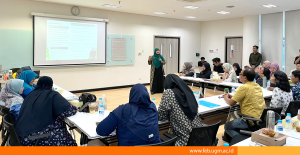
    The Faculty of Economics and Business held the MSME Business Digitalization Training. 80 MSMEs from the provinces of Yogyakart and Central Java attended the training. Topics covered include product development and value proposition, cash flow management, the use of artificial intelligence for digital marketing content, social media optimization through content creation, the use of applications for financial reporting (SIDEK-ERP), and techniques and strategies for product photography. MSMEs are encouraged to adopt and integrate digital technologies into their business operations, models, or culture to improve performance, efficiency, or value creation.

    One of the topics taught was product photography, which is an essential aspect of digital product marketing. By understanding the key elements of product photography, business owners can enhance the visual quality of their products and build a stronger brand presence in the market. Every product has its own unique visual characteristics, and photography should be able to highlight the product’s strengths.

    Another challenge in marketing local MSME products is having to compete with producers who use digital-based marketing. The Faculty of Medicine organized training on digital marketing and the implementation of occupational health and safety (OHS) to improve the economic and health conditions of the Batik Women’s Group (KWB) Pundong II.

    The Faculty of Geography organized a free training program targeting 20 MSME owners in Sidoarum Village to enhance their skills and understanding of digital branding, digital marketing, and digital literacy.

    Access to Finance and Assets

    Source: Low Protein Diet (LPD) Feed Technology Dissemination Program

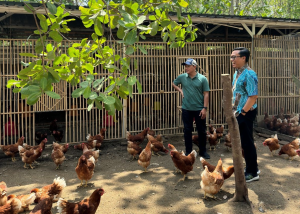
    The Faculty of Animal Science implemented a Low Protein Diet (LPD) Feed Technology Dissemination Program for layer chickens in with the Jamblang Genthong Community in Karangtengah Village, Bantul. The program was funded by the UGM Directorate of Community Service (DPKM) to support the village’s layer chicken farming businesses.

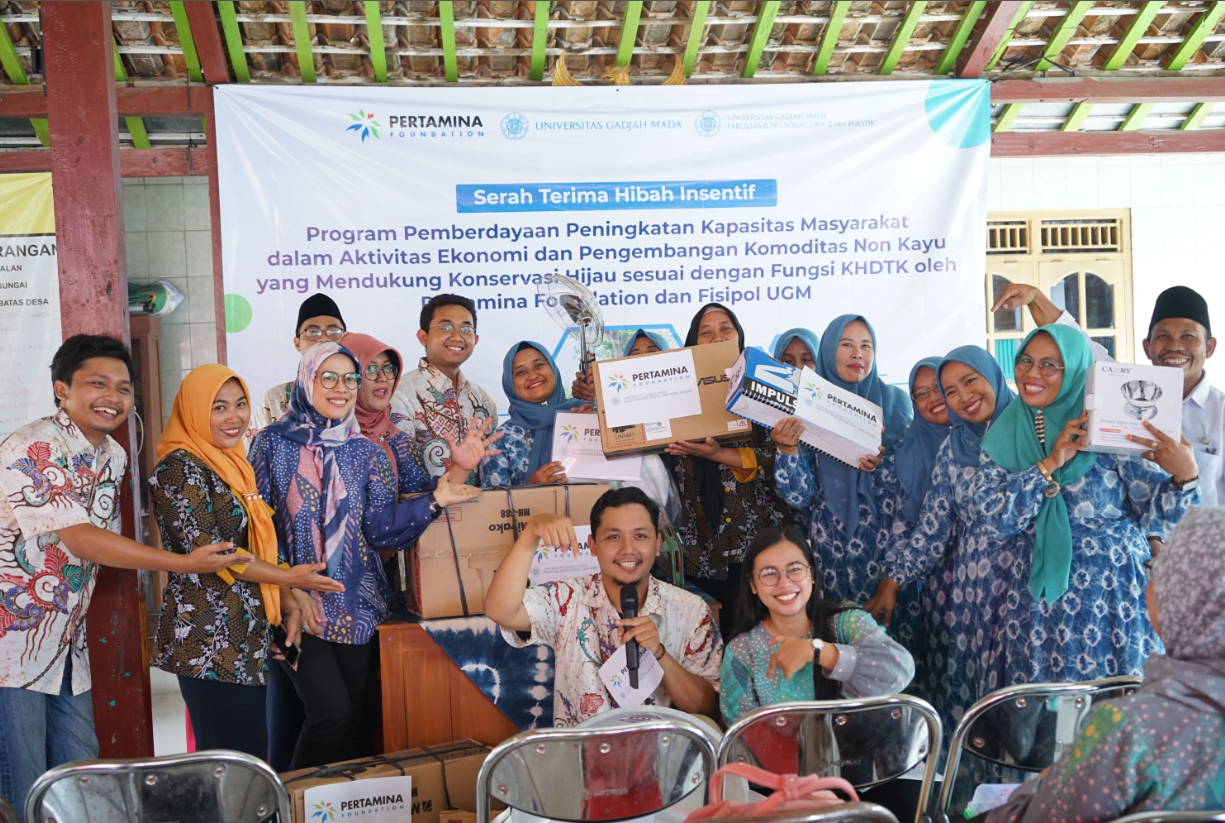
    The Faculty of Social and Political Sciences (Fisipol) UGM, in collaboration with the Pertamina Foundation, distributed incentive grants to the community of Ngrawoh Village, Blora Regency to develop non-timber commodities and other local economic activities that support the green conservation of the Special Purpose Forest Area in the region. Besides financial assistance, local start-ups were given community development training targeted at three main groups—farmer-livestock groups, women’s groups, and youth groups. These groups obtained various business insights, such as solving livestock feed challenges, creating batik crafts, and empowering young people.

    Capacity Building

    The Faculty of Medicine, Public Health, and Nursing mentors several local MSMEs as part of their faculty community service program. 

    The faculty mentored local business Dewi Pinang through product development, quality assurance, and regulatory preparation (e.g., BPOM licensing). This process equipped the MSME actors with technical and managerial capacity, improving product competitiveness and market readiness. Similarly, the mentorship of Srikandi Lansia Mandiri in ecoenzyme production demonstrates social innovation for economic inclusion, equipping elderly community members with the skills to convert organic waste into eco-friendly cleaning products.

    Source: Development of supplementary food products for  pregnant women

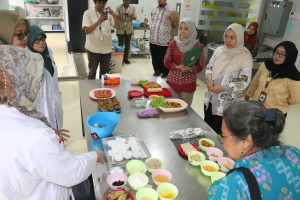
    They mentored small business actors in Kapanewon Paliyan in the development of supplementary food products for  pregnant women made from bananas and tempeh, two locally abundant food ingredients in the region. These products are designed to be appealing, easy to consume, and meet the nutritional standards for pregnant women. The program enhances both technical skills and entrepreneurial capacity of the business actors, as well as creates new economic opportunities for local MSMEs to produce and supply supplementary foods.

    The faculty also mentored First Food, an MSME in sports nutrition, in scaling up and launching its Sport Gel product. First Food received training on product labeling, assistance in obtaining distribution permits and halal certification, and support to expand its marketing through broader online platforms and offline strategies such as reseller networks and e-commerce integration. These activities strengthened the MSME’s technical capacity, business management skills, and market readiness.

    Legal Advocacy

    The Faculty of Law, in collaboration with the Office of Cooperatives and Small and Medium Enterprises of the Special Region of Yogyakarta (DiskopUKM DIY), held a legal education session for MSME entrepreneurs in Yogyakarta. The event carried the theme “Legal Protection for MSME Entrepreneurs in Yogyakarta from a Civil Law Perspective as an Effort to Minimize Legal Disputes.”

    References:

    1. MSME Business Digitalization Training
    2. Product photography training
    3. Faculty of Medicine organized training on digital marketing
    4. Faculty of Geography organized a free training program targeting 20 MSME owners
    5. Low Protein Diet (LPD) Feed Technology Dissemination Program
    6. Ngrawoh Village, Blora Regency
    7. Faculty of Medicine, Public Health, and Nursing mentors several local MSMEs
    8. Development of supplementary food products for  pregnant women
    9. First Food, an MSME in sports nutrition
    10. Legal Protection for MSME Entrepreneurs
  • 1.4.2 Local start-up financial assistance

    1.4.2 Local start-up financial assistance

    UGM’s efforts in providing financial assistance to local start-ups is equipped with a comprehensive support system designed to help emerging entrepreneurs grow and sustain their businesses. 

    UGM’s Directorate of Business Development and Incubation plays a strategic role in enhancing the productivity of businesses, particularly local MSMEs and startups, as well as accelerating incubation and downstreaming of research outcomes. The Directorate handles the management of science and technology areas through the UGM Science Techno Park (UGM STP), which is a productive platform based on research and innovation. Several government grants are facilitated, among them the Matching Fund and Promoting Research and Innovation through Modern and Efficient Science and Technology Parks Project (PRIME STeP) schemes.

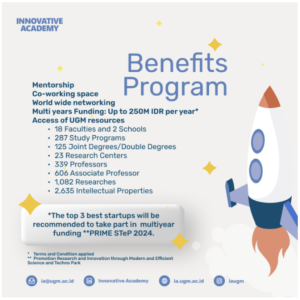
    The PRIME STeP produces three kinds of grants; the Innovation Grants, which is given to researchers from UGM, the Startup Grants, and the Tenants Grant. The Startup Grant Program was launched in partnership with the Asian Development Bank. This grant provides startups with a wide array of resources, including mentorship, shared workspaces, networking opportunities with UGM’s business units, industry players, and government bodies, multi-year financial backing, and access to UGM’s labs and research facilities. In 2024, 10 local startups were given the Startup Grant and 17 UGM researchers received the Applied Research Grant.

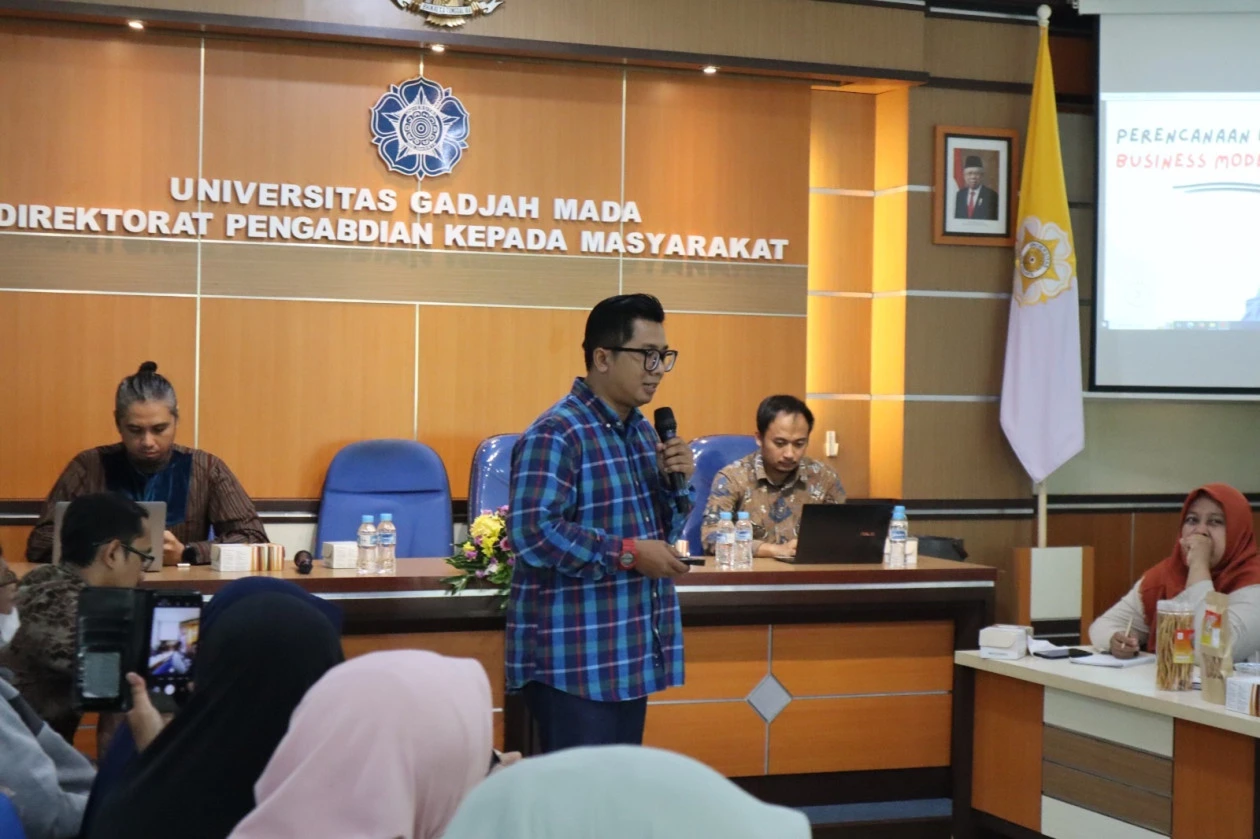
    The Directorate of Community Service organized the UMKM Class Series, training programs aimed at enhancing MSME resilience and promoting sustainable economic growth. The materials covered topics such as Business Planning using the Business Model Canvas (BMC), Financial Management, and Strategies to strengthen consumer trust and ensure food safety.

    References:

    1. The PRIME STeP
    2. UMKM Class Series
  • 1.4.3 Programmes for services access

    1.4.3 Programmes for services access

    Poverty has multiple dimensions. Not only do people living in poverty experience a lack of insufficient monetary resources, they are often also deprived of basic services such as healthcare, safe drinking water, sanitation facilities, sustainable energy and mobility, housing, etc. By providing basic services on campus, our university is able to take part in improving the quality of life of our community members, particularly those who are struggling with poverty. 

    Access to Health Check-ups

    Government employees face growing vulnerability to non-communicable diseases (NCDs), for instance, cardiovascular diseases and diabetes, most likely caused by sedentary lifestyles, unhealthy work environments, and occupational stress. NCDs arise from risk factors at work and affect worker productivity. NCDs among employees, in this case for UGM students, staff, and faculty, can be prevented by improving working conditions and through workplace health promotion programs. 

    Source: Posbindu SEHATI program

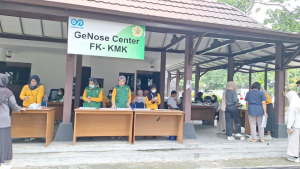
    The Faculty of Medicine, Public Health and Nursing’s Health Promoting University (HPU) division once again held the Posbindu SEHATI program in the Faculty’s Genose Center. Posbindu SEHATI is a routine program aimed at early detection of non-communicable

    diseases (NCDs). In addition, UGM staff and faculty are also given health education to increase their awareness of healthy lifestyles. This program is also routinely held for students.

    The World Health Organization (WHO) reports that 41 million people die each year from NCDs, meaning NCDs account for 74% of all deaths globally. According to data collected by the National Statistics Office of Indonesia from January 1, 2017, to 2022, the number of deaths in the country reached 8.07 million cases, with 7.03 million of them caused by NCDs. 

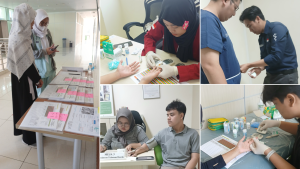
    The high risk of NCDs is why it is important for UGM to provide Posbindu SEHATI as a service access in health staff and faculty. Participants undergo a series of health check-ups at 5 different desks. These check-ups include anthropometric measurements (height, weight, waist circumference), blood pressure examination, blood sugar, cholesterol, and uric acid levels. Through Posbindu SEHATI, NCD factors can be detected prematurely, allowing participants to take early steps in preventing the disease from worsening or they can receive medical referral if needed. 

    Source: 97 students received health check-ups


    The Posbindu SEHATI is also available for UGM students. During one routine program, as many as 97 students received health check-ups for blood pressure, blood sugar, body mass index (BMI), and health consultation. These simple yet important examinations serve as an
    initial step to detect potential risks of NCDs, such as hypertension, diabetes, or obesity, which often develop without early symptoms, even in the younger population.

    Students also received health education on the importance of early detection, balanced nutrition, and regular physical activity. This education is expected to instill the understanding that health is not only about treating diseases but also about preventing them early on. Adopting a healthy lifestyle at a young age provides long-term benefits, from improving study concentration and maintaining stamina to reducing the risk of chronic diseases in the future.

    Access to Dental Health Check Up
    The Faculty of Dentistry consistently carries out health training activities focusing on dental and oral health as part of the faculty community service program. These activities aim to increase public knowledge and awareness of the importance of maintaining oral hygiene from an early age while also providing practical skills for proper dental and oral care. 

    The training typically involves lecturers, students, and health professionals who work directly with local communities, both around the campus and in partner regions. The materials cover topics such as healthy lifestyle education, proper toothbrushing techniques, prevention of dental and oral diseases, and simple self-examination methods.

    Psychological First Aid (PFA)

    Suar Asa, a student organization at the Faculty of Cultural Sciences (FIB), held a Workshop on Psychological First Aid (PFA) and Peer Training. This activity was organized in response to the increasing mental health issues among students, as reflected by the rise in the number of student hospitalization cases at UGM—from 21 cases in 2022 to 51 cases in 2023. Through this workshop, participants were equipped with basic skills in providing Psychological First Aid (PFA), engaged in role-play exercises, and strengthened service programs such as “Teman Cerita” (Story Buddy) and “Teman Sehat dan Berbudaya” (Healthy and Cultured Buddy). This initiative aims to enhance the capacity of peer counselors and peer supporters in offering emotional assistance, while also serving as a preventive and curative effort to maintain student mental health within the FIB UGM community.

    Waste Collection on Campus

    Every individual generates waste. It is directly relevant to basic services. 

    As a campus with a population of over 72 thousand people, UGM generates a significant amount of waste each year. Effective waste collection is a core component of UGM’s waste management, serving as the foundation for maintaining a clean, healthy, and sustainable learning environment. It refers to the organized and consistent process of gathering waste from multiple campus sources—such as classrooms, laboratories, cafeterias, and dormitories—before it is safely processed or recycled. On a university campus, this service is essential not only to uphold sanitation and prevent disease but also to minimize pollution, comply with environmental regulations, and foster a culture of sustainability among students and staff. In essence, efficient waste collection is a basic service because it directly supports public health, operational safety, and environmental stewardship within the academic community.

    The Faculty of Economics and Business initiated a community empowerment program to raise awareness about waste management and segregation. The program, titled Berbagi Ilmu Sinduadi Sleman Asri (BISSA), is a community service initiative based on a partner village model that aims to empower residents living along the banks of the Code River in Sinduadi Village, Sleman Regency.

    Access to Free Drinking Water

    Safe and readily available water is important for a person’s overall health and well-being. According to WHO data, at least 1.7 billion people worldwide still drink water from sources contaminated with faeces. Despite global progress, as of 2022, only 73% of the world’s population—around 6 billion people—had access to safely managed drinking water services.

    Source: Toyagama Drinking Water Supply System

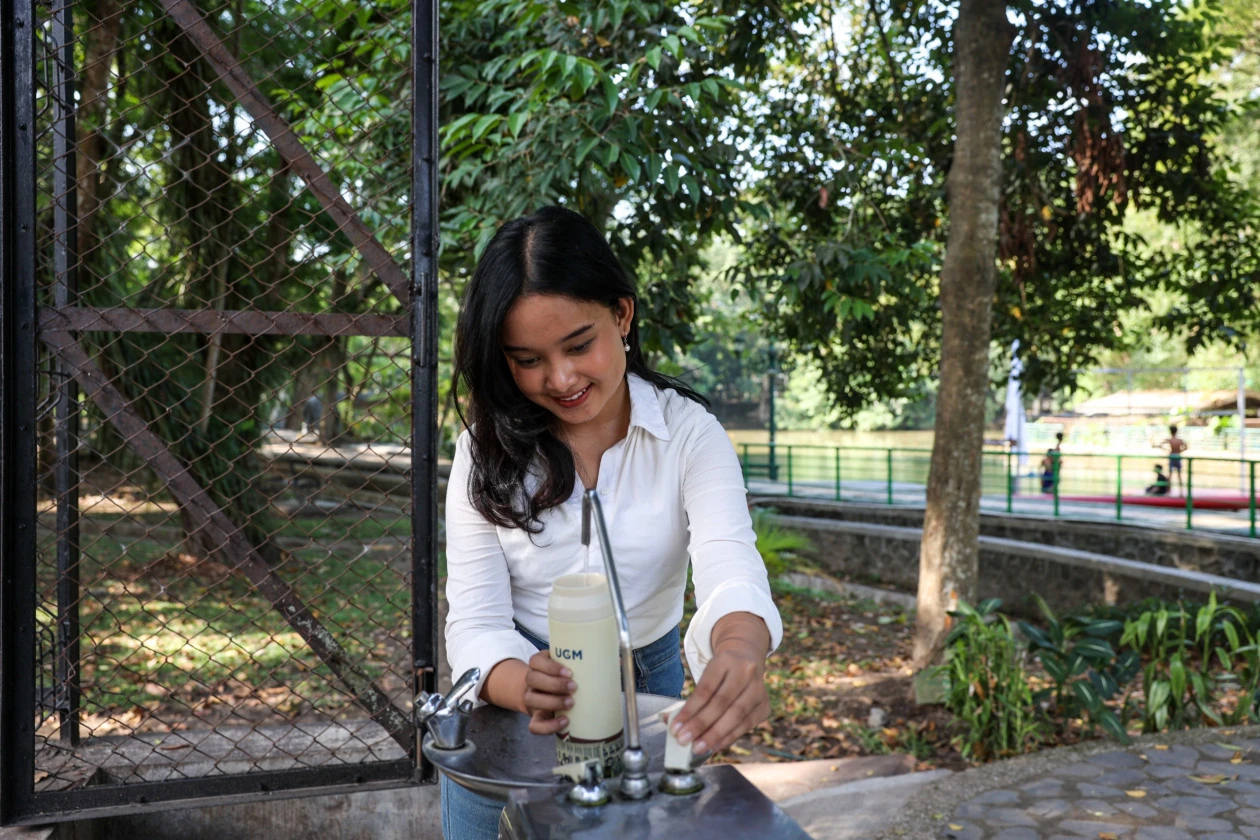
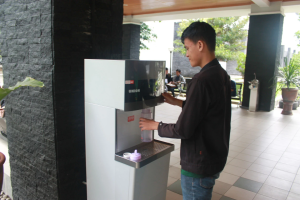
    The Toyagama Drinking Water Supply System (SPAM Toyagama) is a free and ready-to-drink water product sourced from the Umbul Pace Spring and produced by UGM. Toyagama provides piped drinking water accessible through water fountains and dispensers available in every faculty building and main office. It is accessible to the entire campus community. In addition, Toyagama also offers bottled drinking water in gallon containers and bottles of 330 mL, 600 mL, and 1.5 L sizes. Several students have shared testimonials stating that the Toyagama facility is highly beneficial because it is free, convenient, and guaranteed in quality.

    Financial Assistance

    The Dharma Wanita Persatuan (DWP) of the Faculty of Economics and Business once again provided educational assistance funds for the children of FEB UGM professional staff. The financial aid was granted to eight children of professional staff members, ranging from elementary to high school levels.

    The Doctoral Program in Inter-Religious Studies at UGM, supported by the Indonesian Consortium for Religious Studies, conducted a digital literacy program for children and youth in the Baduy Luar community (Banten). The activity combined research on polarization and digital inclusion with training that encouraged participants not only to be digital media users (“followers”) but also content creators (“creators”), including documenting their own culture

    through videos and photos for the purposes of educational development, cultural preservation, social connectivity, and reducing inequality.

    References:

    1. Posbindu SEHATI program
    2. 97 students received health check-ups
    3. Health training activities focusing on dental and oral health
    4. Psychological First Aid (PFA) and Peer Training
    5. Berbagi Ilmu Sinduadi Sleman Asri (BISSA)
    6. Toyagama Drinking Water Supply System
    7. Educational assistance funds
    8. Digital literacy program for children and youth
  • 1.4.4 Policy addressing poverty

    1.4.4 Policy addressing poverty

    Policy making at the local and regional level 

    Poverty has become a target indicator of regional development performance. Therefore, poverty alleviation strategies need to be formulated into work plans or incorporated into the regional medium-term development plan of Indonesia’s local and regional governments. UGM plays the most active role in the Special Region of Yogyakarta (DIY), due to its location. This active role has been recognized with an award from the Regional GovernmentPoverty also has many dimensions and its approach involves various fields of study. Hence, local governments have consulted with UGM through multiple academic disciplines. 

    Our faculties and centers of excellence have actively participated in policymaking to end poverty, among them the Faculty of Social and Political Sciences, Faculty of Geography, Faculty of Law, Faculty of Economics and Business, the Center for Planning and Development Studies, and the Office of Sustainability. Several collaborations with district governments have produced policies and regional work plans, including:

    Policymaking at the National Level

    UGM became one out of 16 universities in the Special Region of Yogyakarta province that signed a Memorandum of Understanding (MoU) with the Ministry of Social Affairs to strengthen the long-term impact of the Family Hope Program (PKH) beneficiary families. This program was established to strengthen collaboration in accelerating poverty alleviation through social empowerment in which universities contribute to scientific and participatory approaches.

    Source: UGM is ready to be a strategic partner of the Ministry of Social Affairs

    The Ministry of Social Affairs (Kemensos) graduated 1,000 beneficiary families of the Family Hope Program (PKH) who received social assistance. The social assistance included capital assistance, business support, raw material assistance, as well as training to enhance the families’ entrepreneurial capacities. Through the Faculty of Social and Political Sciences, UGM proposes a longitudinal study to follow their life journeys for five years post-graduation. UGM is ready to be a strategic partner of the Ministry of Social Affairs in designing social empowerment policies and programs that are more impactful, inclusive, and sustainable.

    Policymaking at the Global Level

    Hundreds of experts, academics, and professionals from around the world gathered at the 4th Biennial Emerging Scholars Colloquium and Conference on Accounting and Accountability in Emerging Economies (AAEE), held on June 25–27, 2025, in Bali. A total of 155 participants from 5 continents and 17 countries presented and discussed research findings on accountability and sustainable development in developing countries. Among the experts were representatives from South Africa, Australia, Bangladesh, the Philippines, Canada, South Korea, the United Kingdom, Ireland, Japan, Malaysia, Nigeria, Papua New Guinea, Palestine, Saudi Arabia, Uganda, and Jordan.

    Source: UGM joins policymakers in AAEE 

    AAEE 2025 marked a historic moment as the forum was held in Indonesia for the first time, having previously always been hosted in the United Kingdom. This year, UGM’s Faculty of Economics and Business and Udayana University served as co-hosts in collaboration with the University of Essex. UGM joined policymakers and engaged in cross-border dialogues concerning the emerging economies of developing countries.

    Source: A collaborative mission meeting

    In 2024, UGM hosted a collaborative mission meeting with the Asian Development Bank (ADB) under the PRIME STeP (Promoting Research and Innovation through Modern Science Techno Parks) Project, which aims to accelerate innovation ecosystems in Indonesia’s universities. Projects funded included: Gamagora 7 rice seed development (a low-input, high-yield variety addressing food security and farmer income — directly tied to poverty alleviation), Mental health startups, Wise management applications, and Agro-based biofertilizer innovations, which contribute to sustainable agriculture and rural development. These projects collectively demonstrate how UGM and the ADB collaborate in research that targets multiple SDGs, including poverty reduction.

    References:

    1. Award from the Regional Government
    2. Center for Planning and Development Studies
    3. 2025-2029 Ketapang Regency Regional Poverty Alleviation Plan (RPKD)
    4. Regional Medium-Term Development Plan (RPJMD) 2025–2029 for Raja Ampat Regency
    5. 2025–2029 Regional Poverty Alleviation Plan (RPKD) for Bintan Regency
    6. Ministry of Social Affairs (Kemensos) graduated 1,000 beneficiary families
    7. UGM is ready to be a strategic partner of the Ministry of Social Affairs
    8. UGM joins policymakers in AAEE
    9. A collaborative mission meeting